House of Gina's
When we lose queer bars, we lose more than just a venue
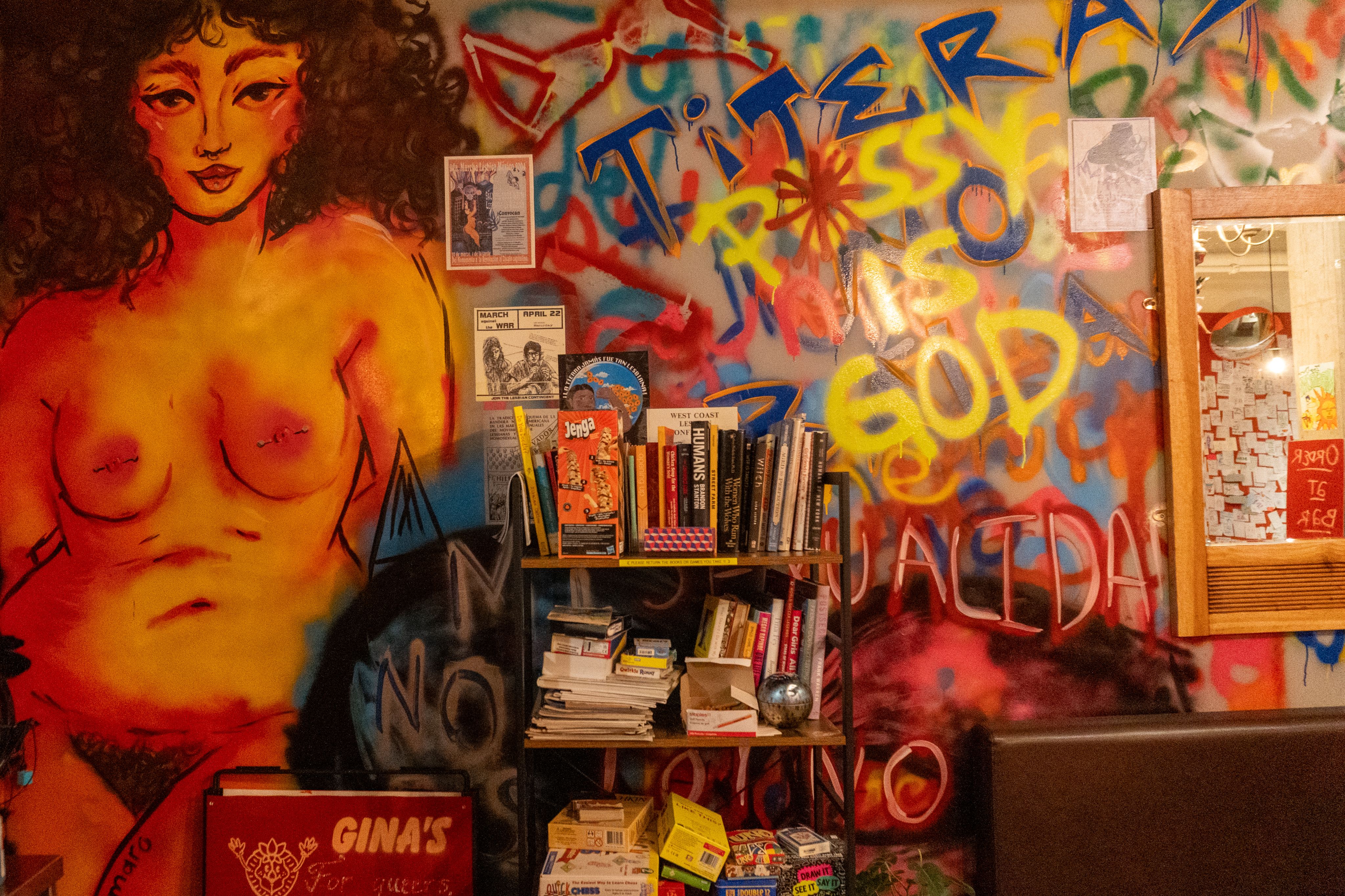

In queer culture, a “house” or “haus” refers to a chosen family or community - a term created by the ballroom scene created by Black and Latinx queer communities, an underground subculture where participants showcase their skills in dance, modelling, and drag. Members of a house support one another with love, care, and solidarity.
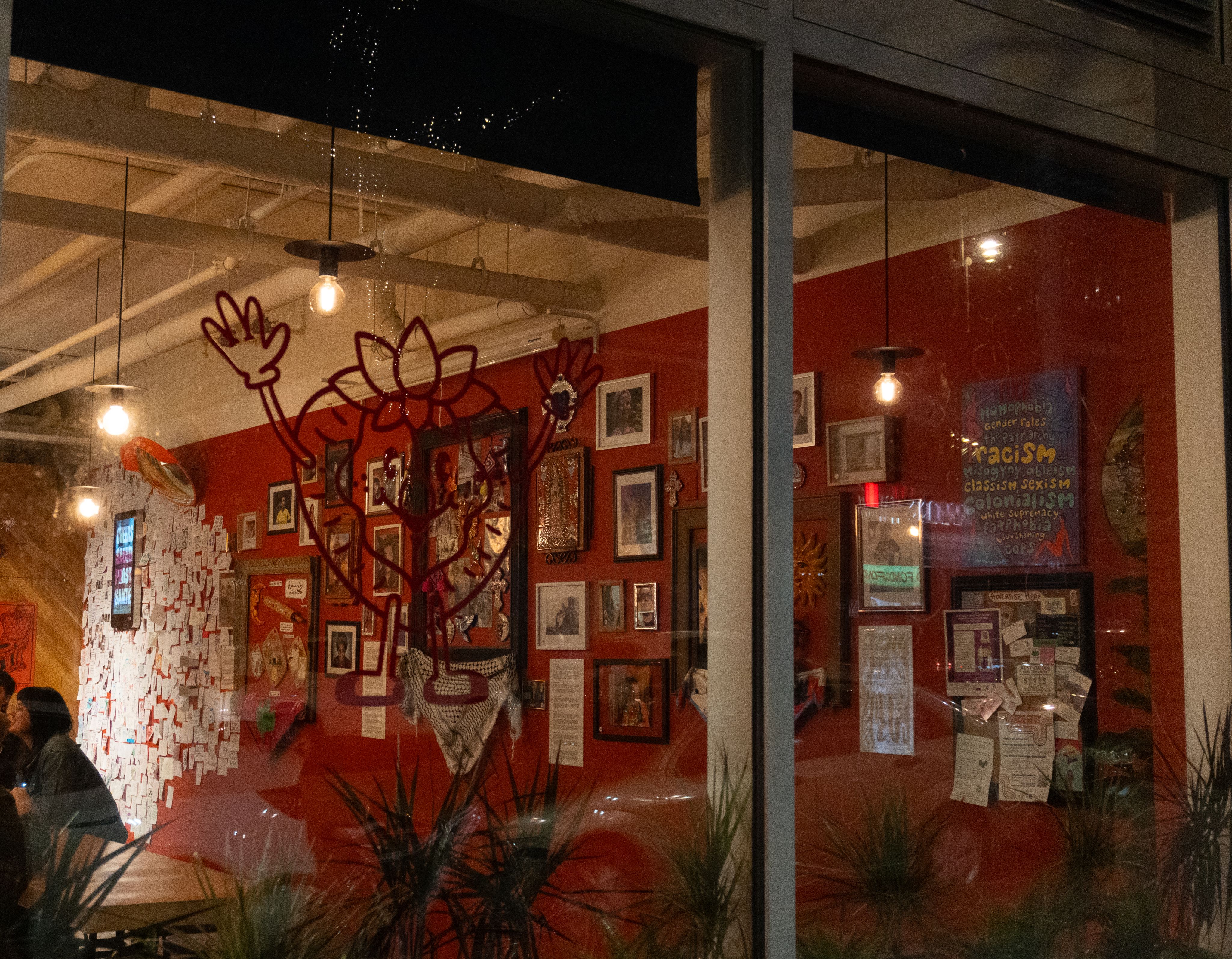
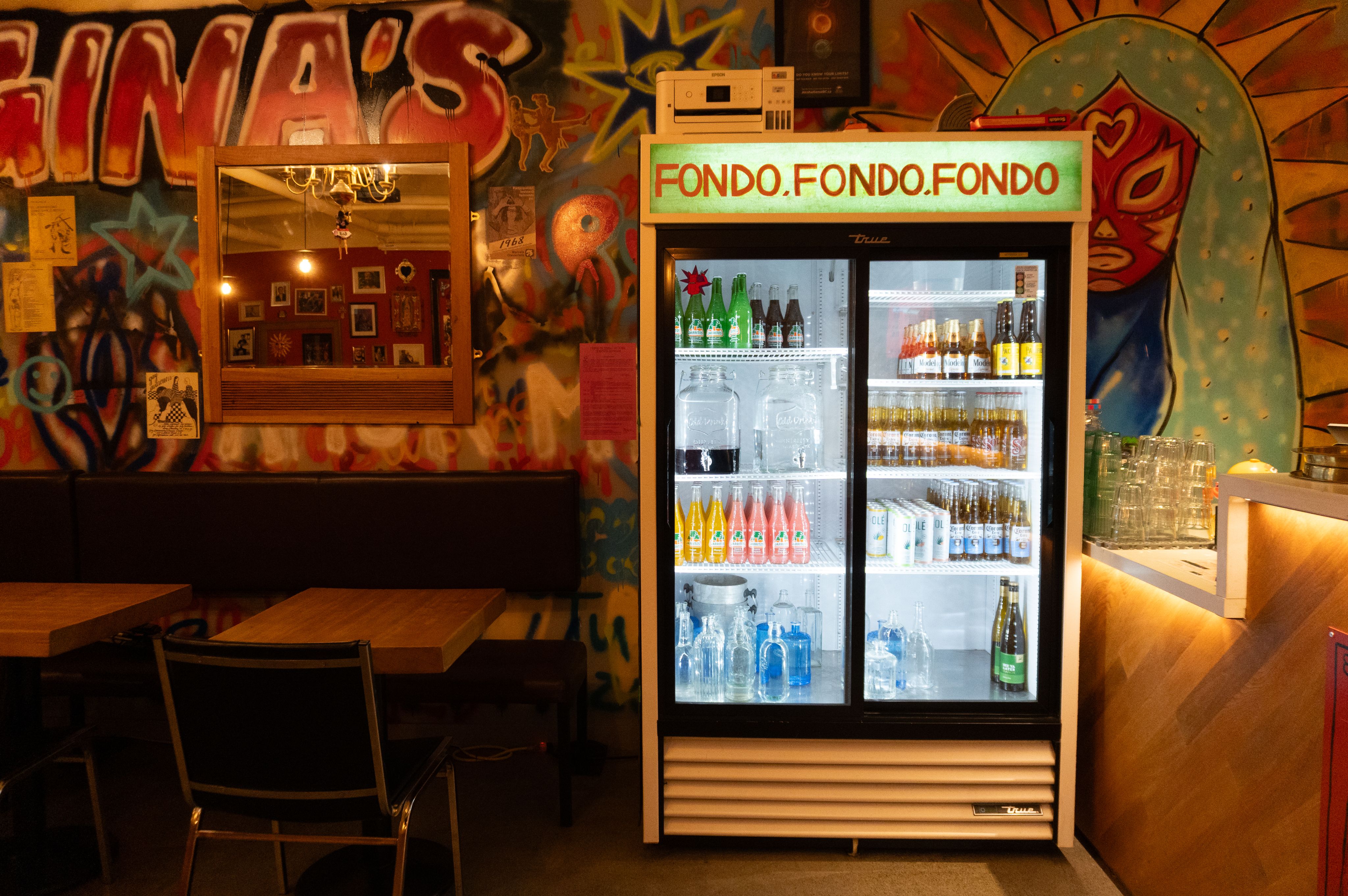
Gina’s (@houseofginas) is a Mexican and queer-owned restaurant and bar in Vancouver’s Chinatown. Owner Valeria Velazquez (she/her) moved to Vancouver from Mexico eight years ago. She opened Gina's in February 2025, hoping to create a welcoming and safe space for the queer community, particularly for sapphic people who often lack dedicated spaces.
sap·phic /ˈsafik/ relating to sexual attraction or activity between women.
In November 2025, just nine months after opening, Gina’s announced it was for sale due to financial and licensing issues. The loss of a space like Gina’s leaves a significant gap in Vancouver's queer community.

Why are queer spaces important?
Velazquez was inspired to open Gina's by a docu-series called the 'Lesbian Bar Project', created in 2020 by Erica Rose and Elina Street. The series campaigned to bring support to what were thought to be the last 15 lesbian bars in the United States.
"A big part of resistance is joy, and having spaces to experience that joy is important"
With spaces across North America dedicated to sapphic people continuing to decline, Gina's story is not a new one.
These closures are often due to the rising cost of rent, licensing issues, and the financial instability that often faces small, community focused venues. But these issues affect more than just the space - they affect the lives of queer people.
Without these spaces the queer community faces a loss that is both emotional and communal. They have fewer places to meet people without fear of judgement, to express themselves authentically and to have fun knowing they are in a safe space. Spaces like Gina's allow queer people to find the kind of chosen families or communities that are often essential to queer survival.

Do you have a favourite memory?

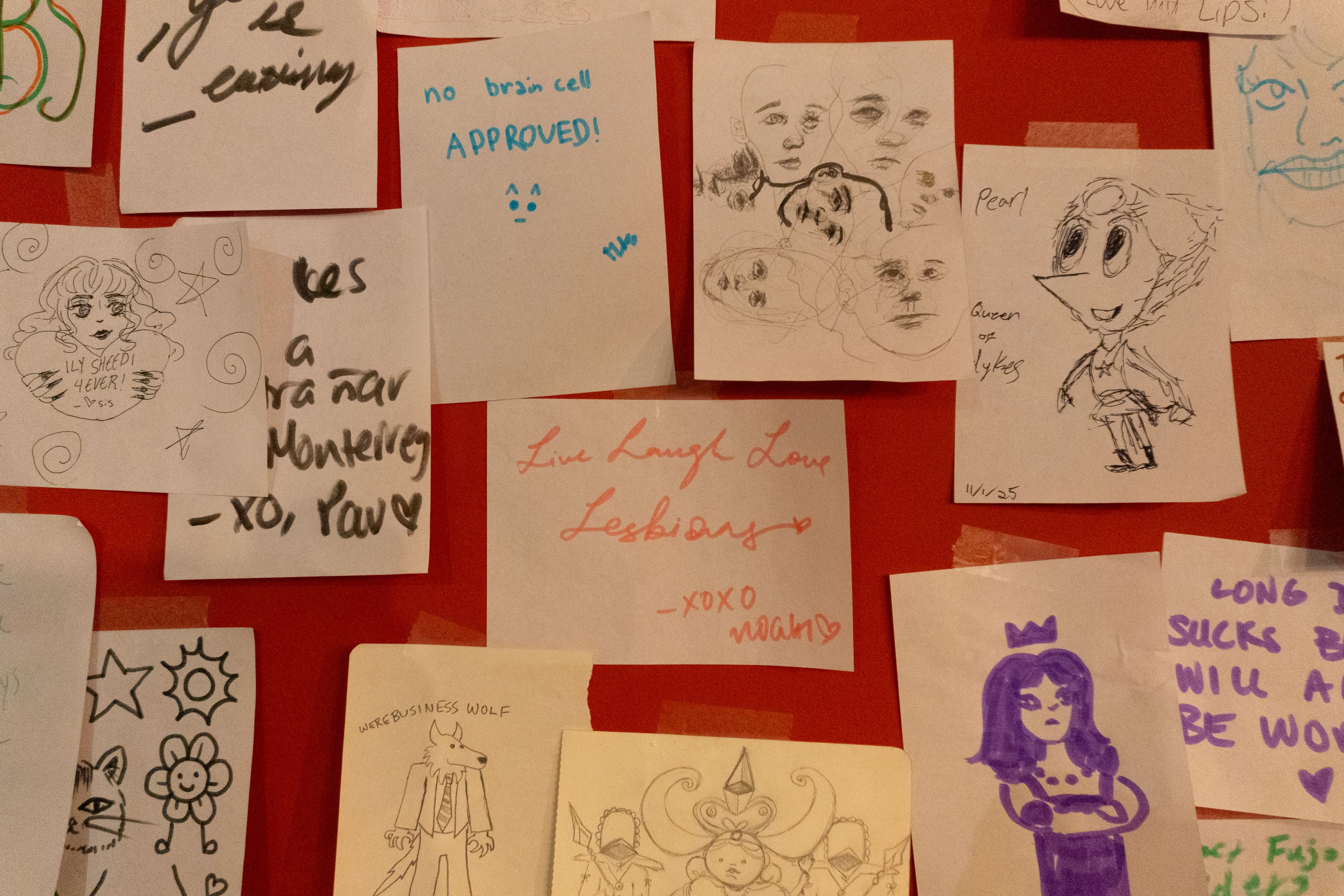
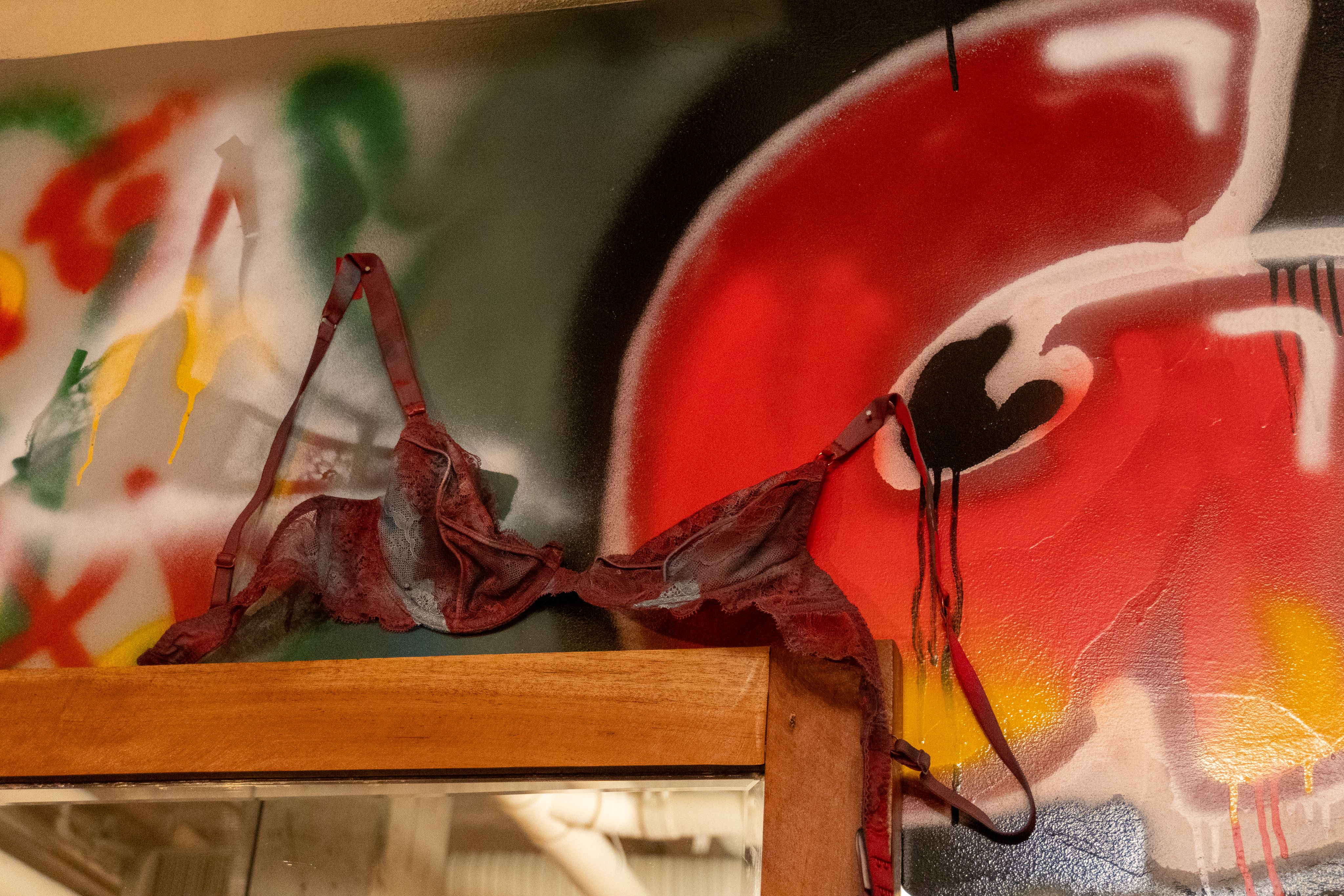
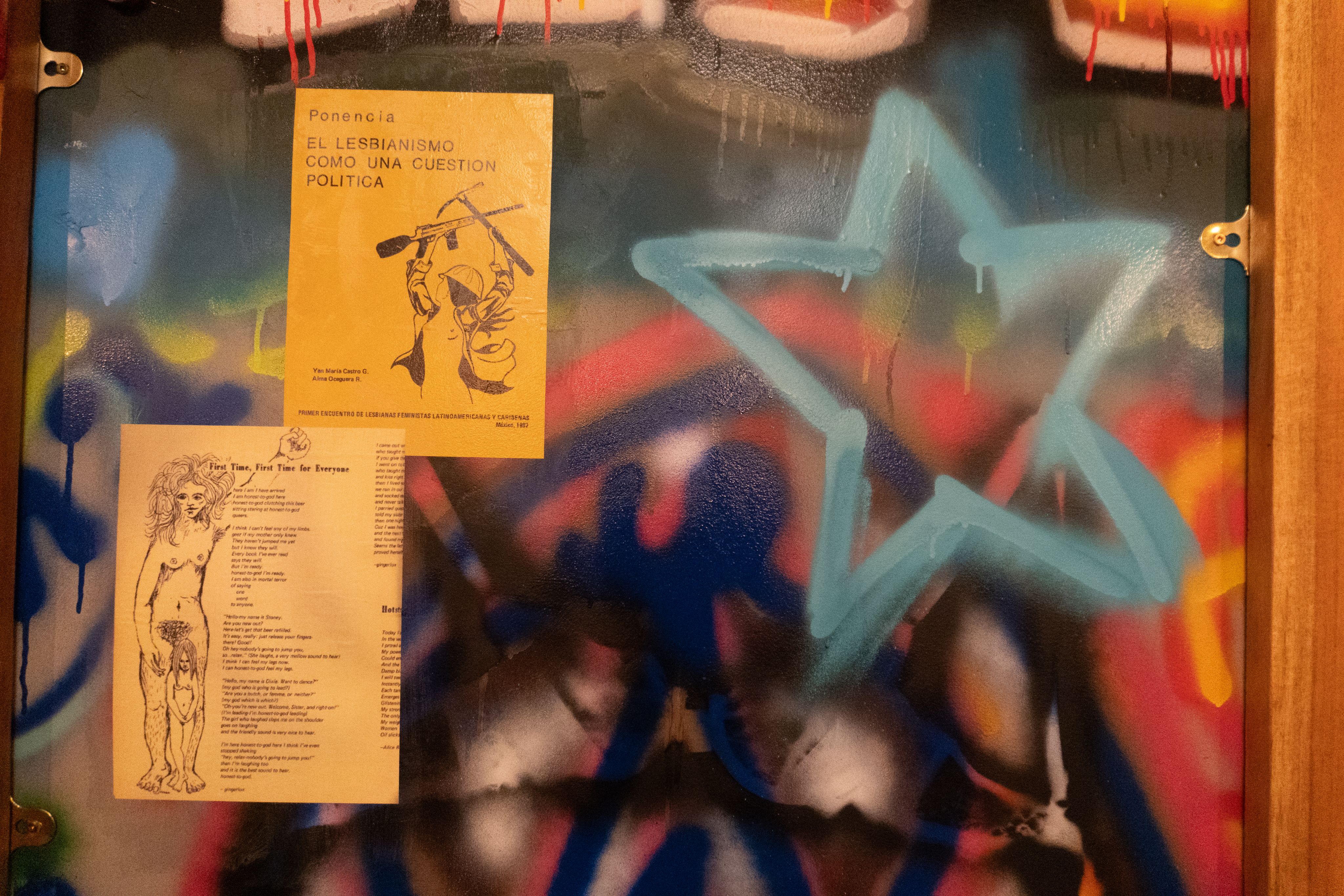
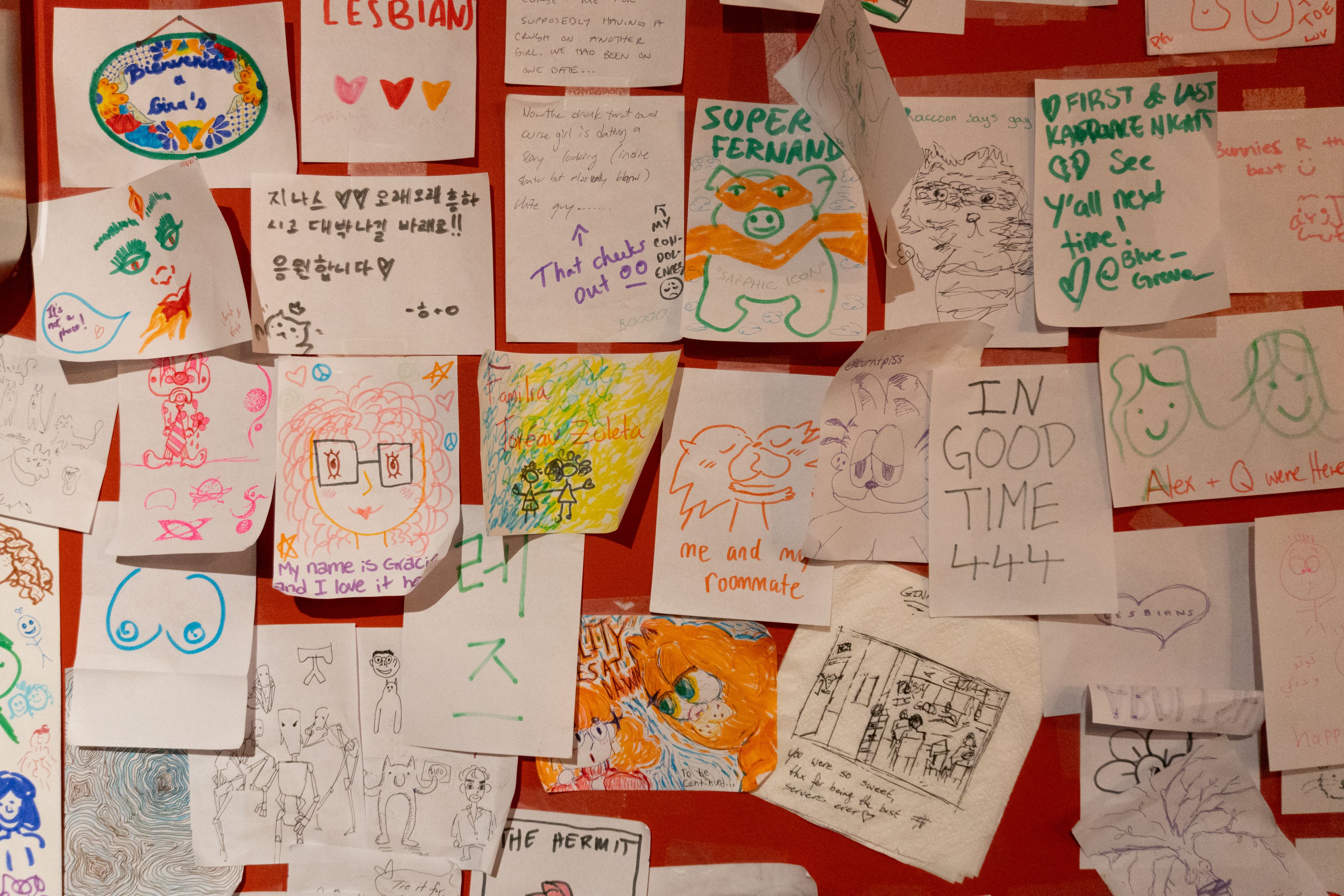
In the nine months since it first opened, Gina's has provided a space for community to thrive.
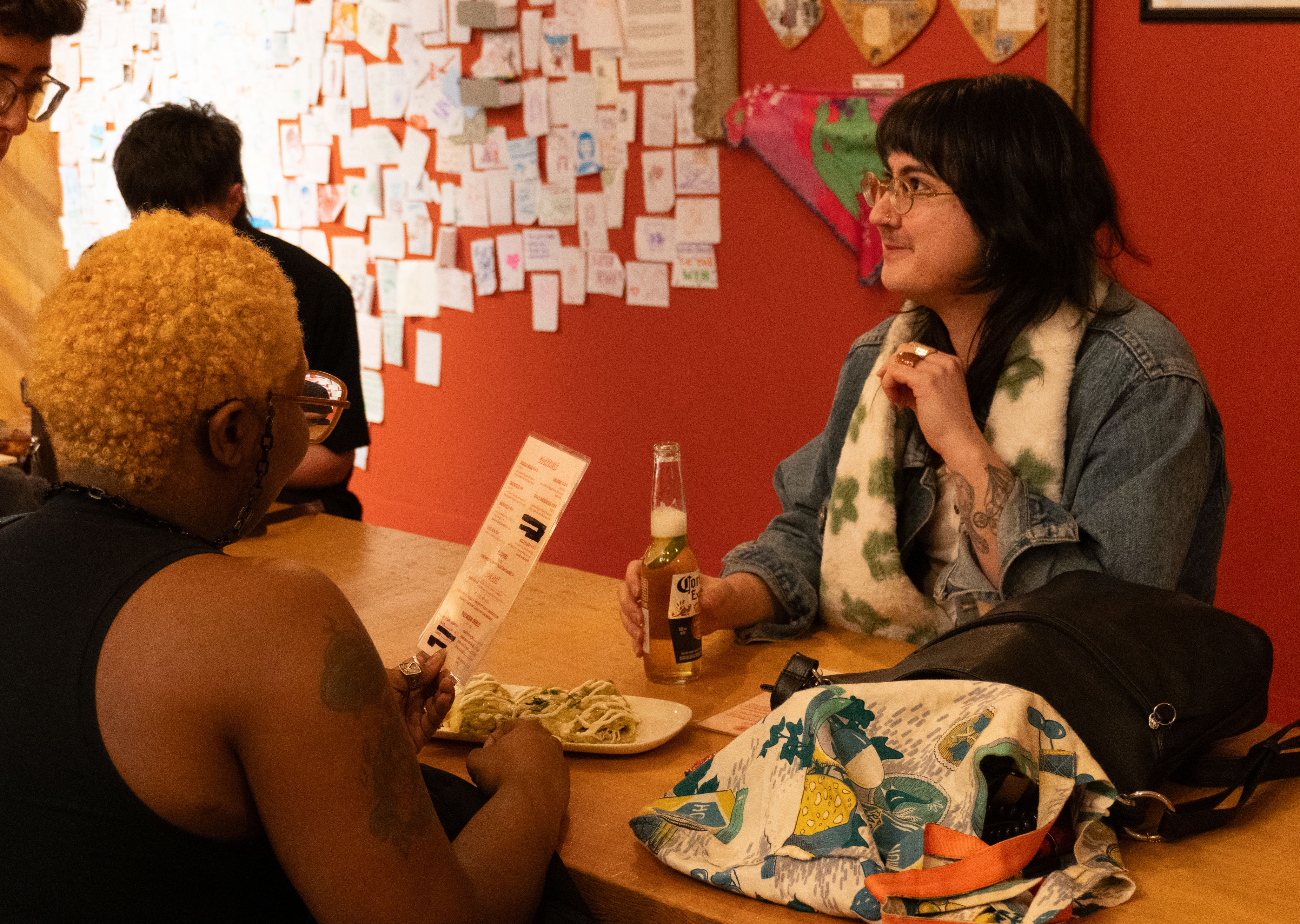
I spoke with Sonny (they/them) and Osa (they/them), who have visited Gina's many times, Osa even attended the opening night.
For Sonny and Osa, Gina's is not only a safe space, but a place where they get to hangout with other queer people in a more casual setting, a space that is more relaxed than a club: "I yearn for the sit-down bar culture - the ability to hear someone talk and look in their eyes," Osa says.
"[Gina's] is like a lighthouse - come to us, we're queer"
Despite losing Gina's, Osa and Sonny note that the space was successful in bringing together sapphic community groups, some that will continue to host events elsewhere. That night, the pair were attending a sapphic arm-wrestling competition at a Glitch Brewery organised by YVR Sapphic Bar, who host sapphic bar takeovers at breweries and bars around Vancouver.
Gina's short life speaks to the vulnerability of queer community spaces - but also to their profound importance. For those who passed through the House of Gina's, it was a place to find community, connection and family.
Sonny and Osa chose to only provide their first names.

Why did you choose the name Gina's?

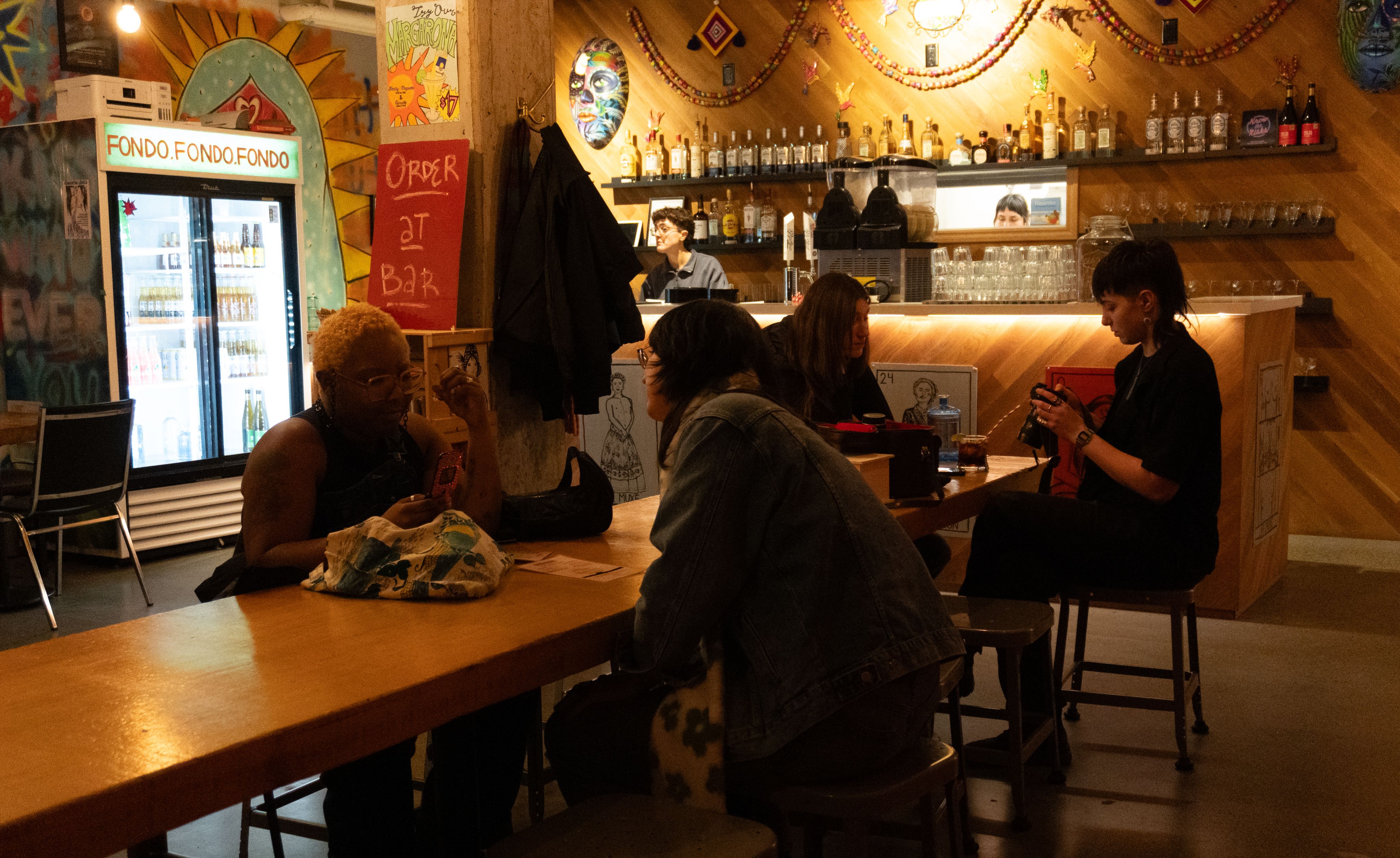
Saturday night at Gina's
Saturday night at Gina's

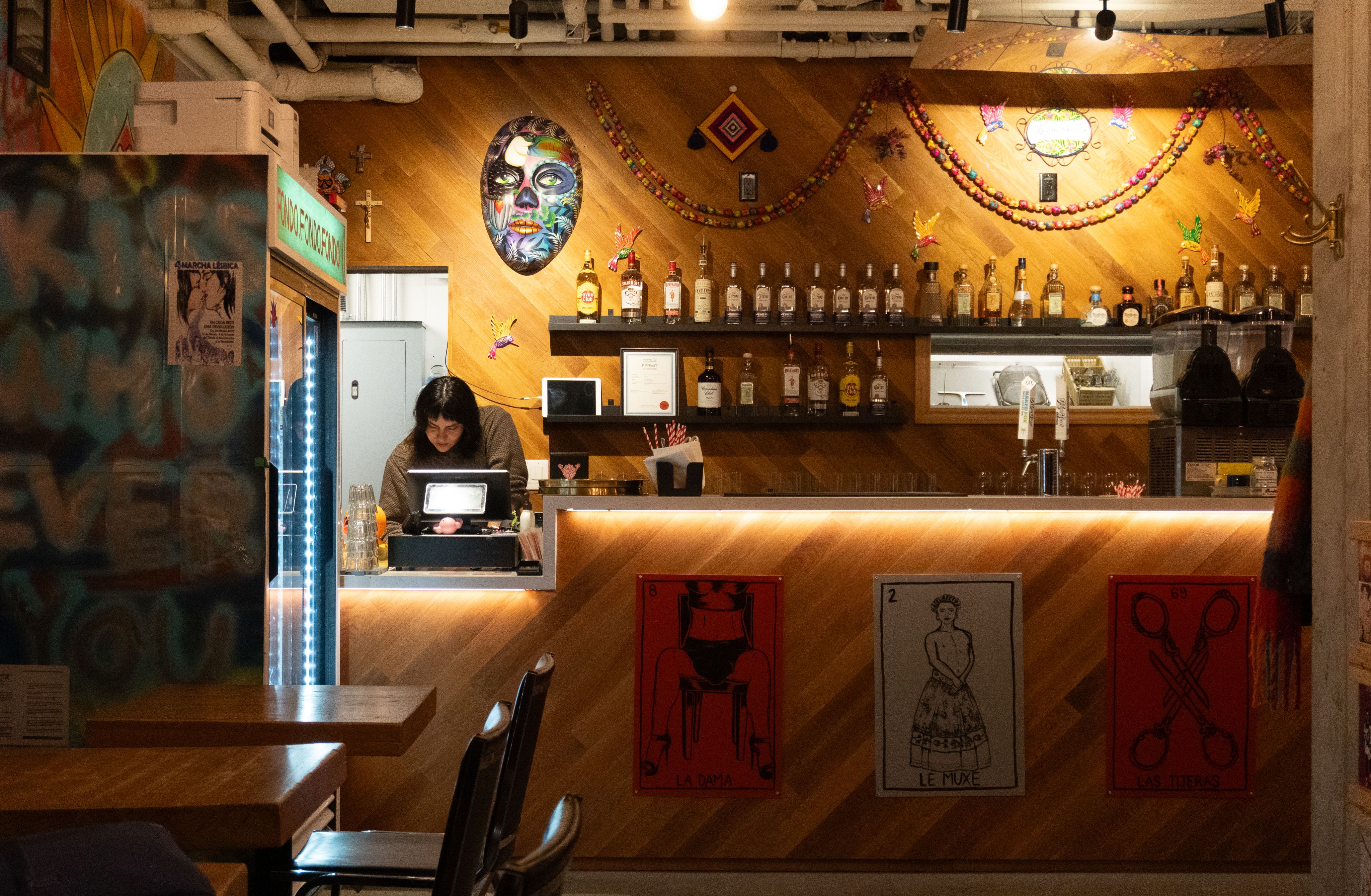
Velazquez prepares to open for the night
Velazquez prepares to open for the night

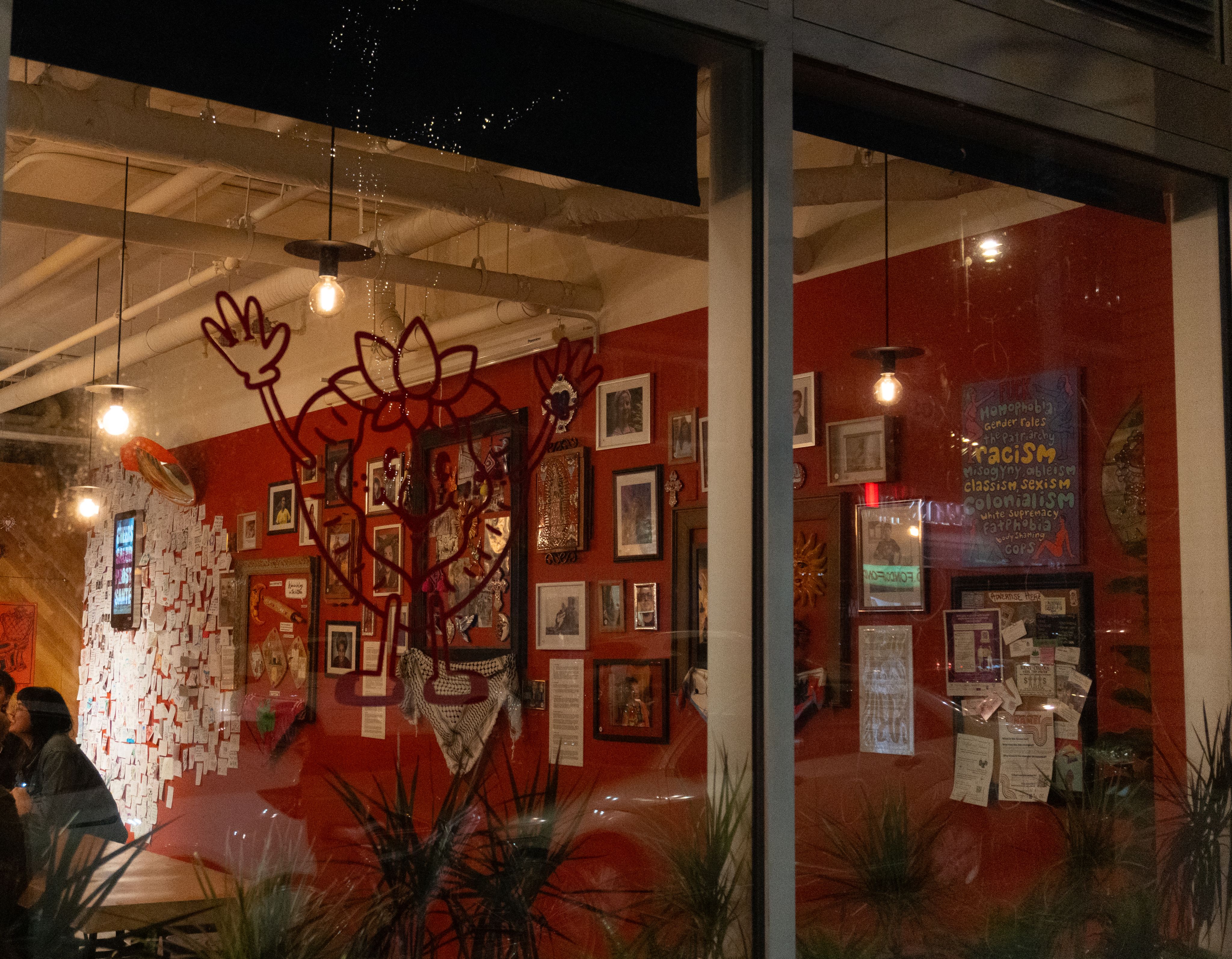
Gina's red strawberry logo
Gina's red strawberry logo
Gina's serves as a reminder that supporting queer owned businesses, supports the queer community.
Photography/Videography/Words: Anjini Snape
 Built with Shorthand