
Self-taught artists are claiming space and breaking from tradition.
In Downtown Vancouver, those who teach themselves are finding success, community, freedom, and new ways of tattooing.
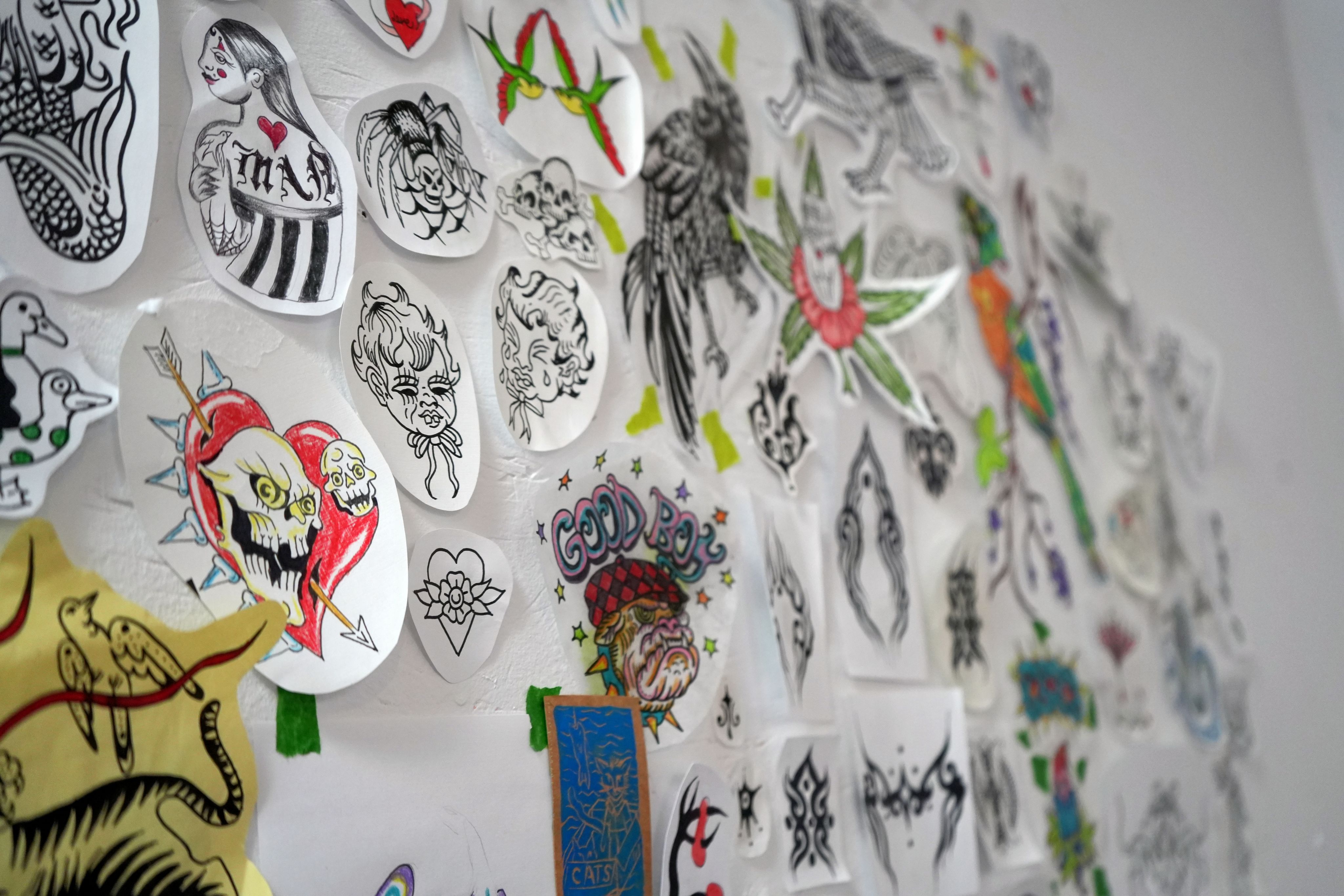


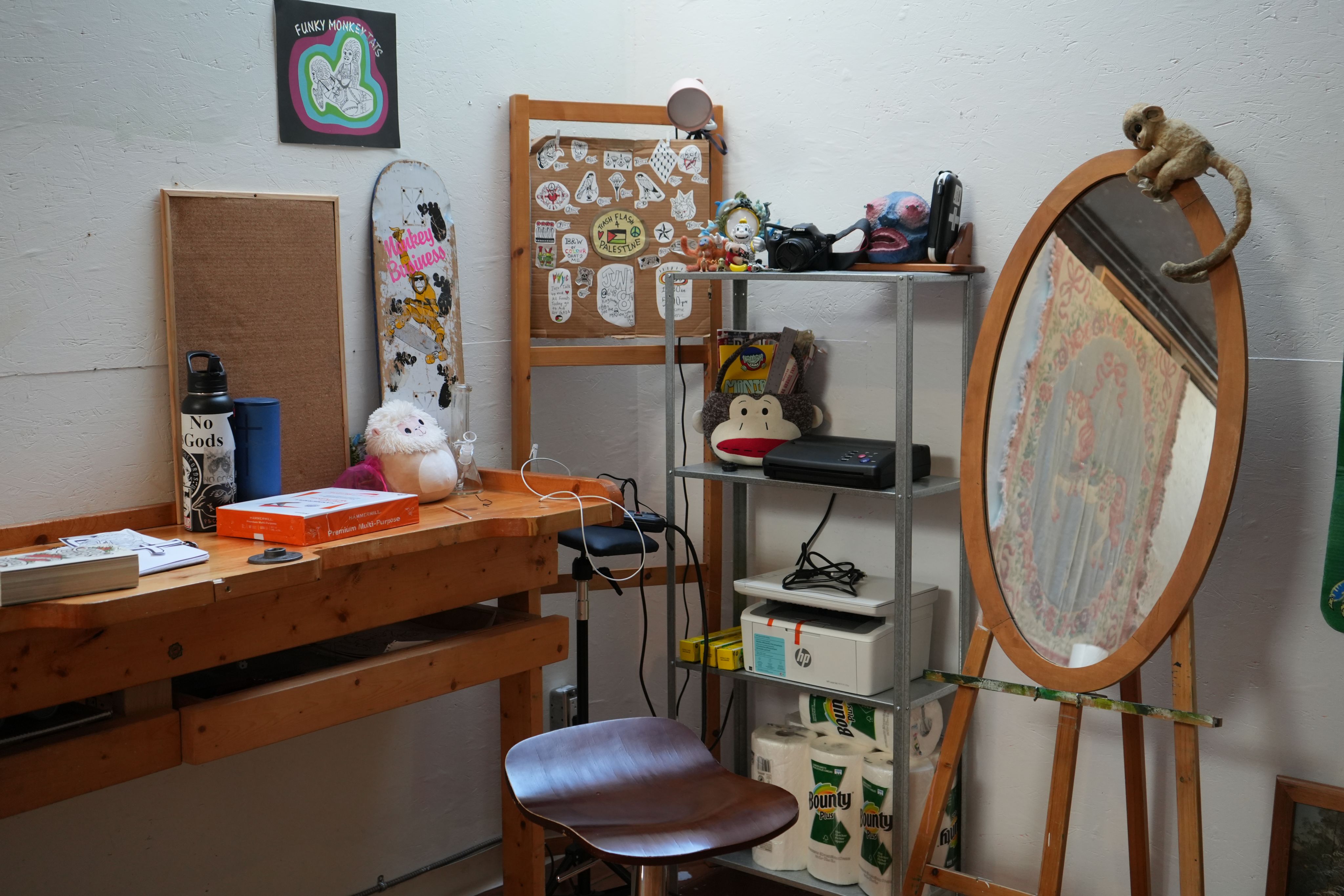
On Monday nights, a group of self-taught artists meet up to draw, promote their art, manifest dreams of making it, take smoke breaks, and build a community.
The artists ranging between 20-30, adorned with both bold and delicate tattoos, meet on the edge of Gastown.
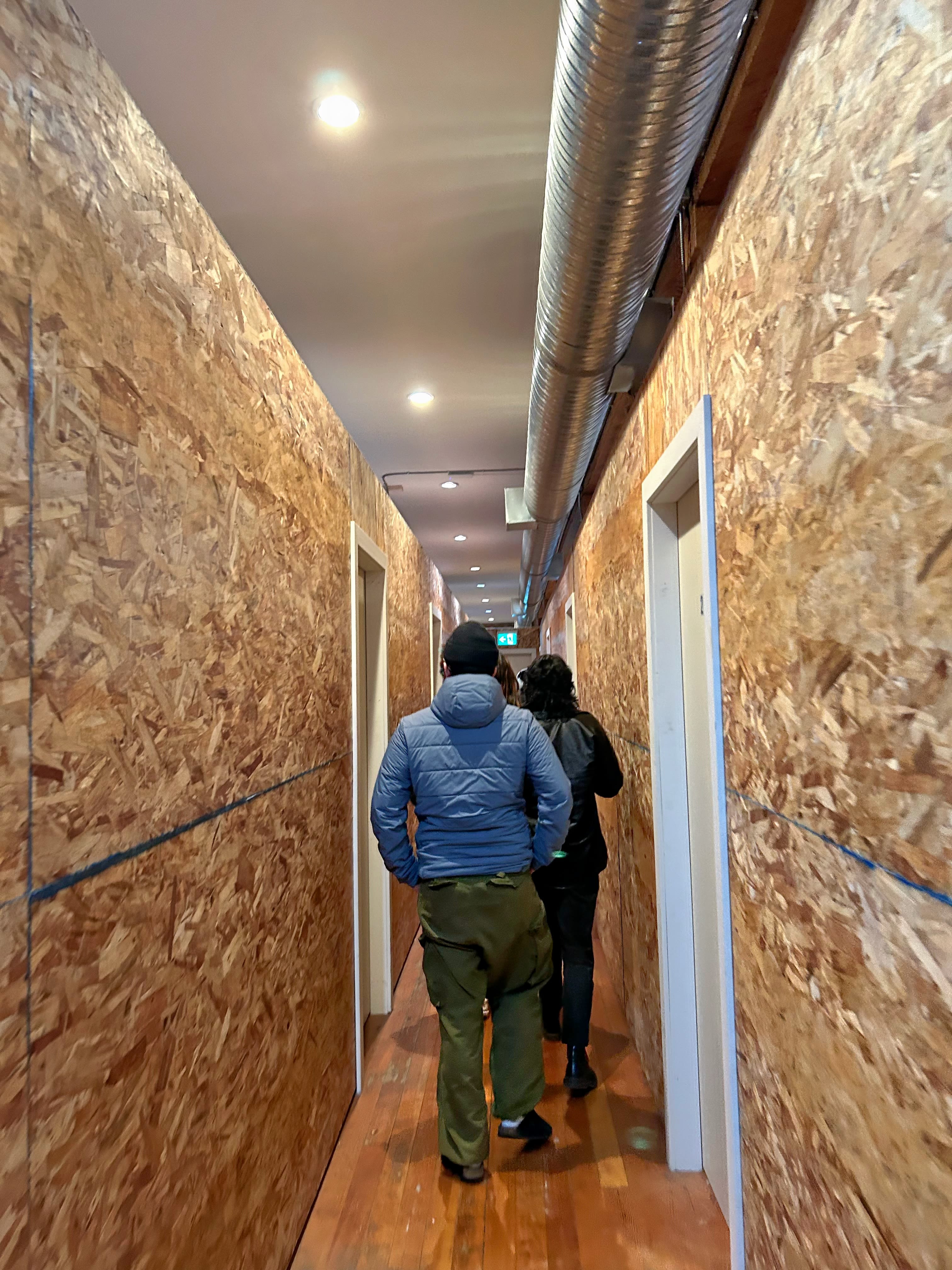
An old warehouse, transformed into a collection of private tattoo studios, holds the artists.
Walking through the skinny halls and peering into each studio is like entering a unique world that encompasses a specific art style, identity, and experience.
Their weekly gathering symbolizes more than a hangout. Together they show how tattooing is changing.

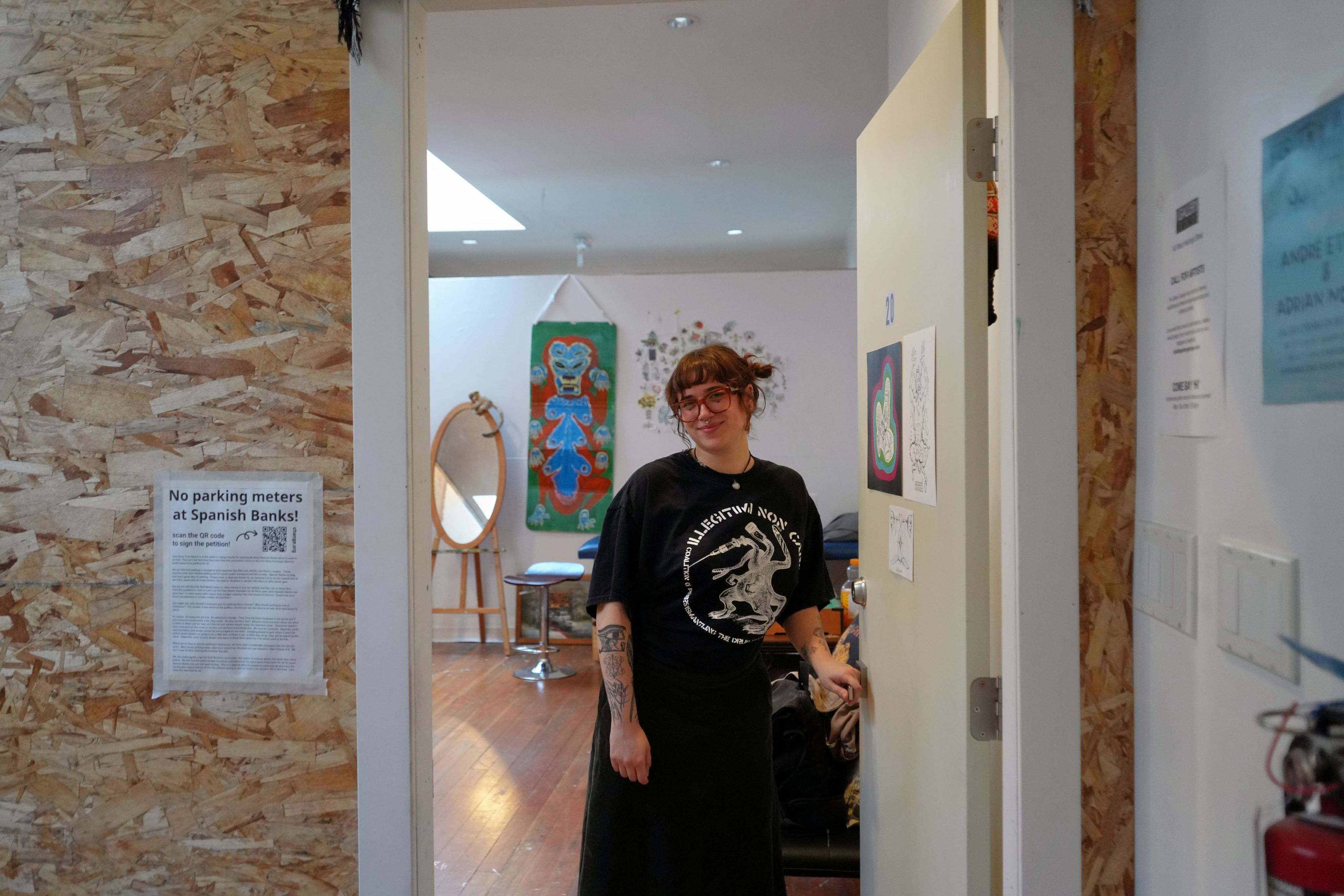
One emerging artist, Rahma, known as @funkymonkeylady, invites me into her new studio to discuss what it means to be self-taught, an increasingly common way to become a tattoo artist.

As Rahma describes, unlike artists who undergo apprenticeships, those who teach themselves have the freedom to play with tradition. Taking what they need from the past, but not letting traditional forms dominate, these artists create a more personal style.
But it wasn’t always this way. An artist named Cody, @skinstabberr, tells me that during the pandemic, social media became a tool to teach a new wave of artists.
“Back when I started tattooing, you did American traditional or you screwed yourself because no one would book you.
But nowadays after COVID, just because of TikTok and everything, people have been able to learn how to tattoo without going to the old mean biker guy.
They could actually learn to tattoo in their own art style and not have to conform to any of these pre-established styles.”

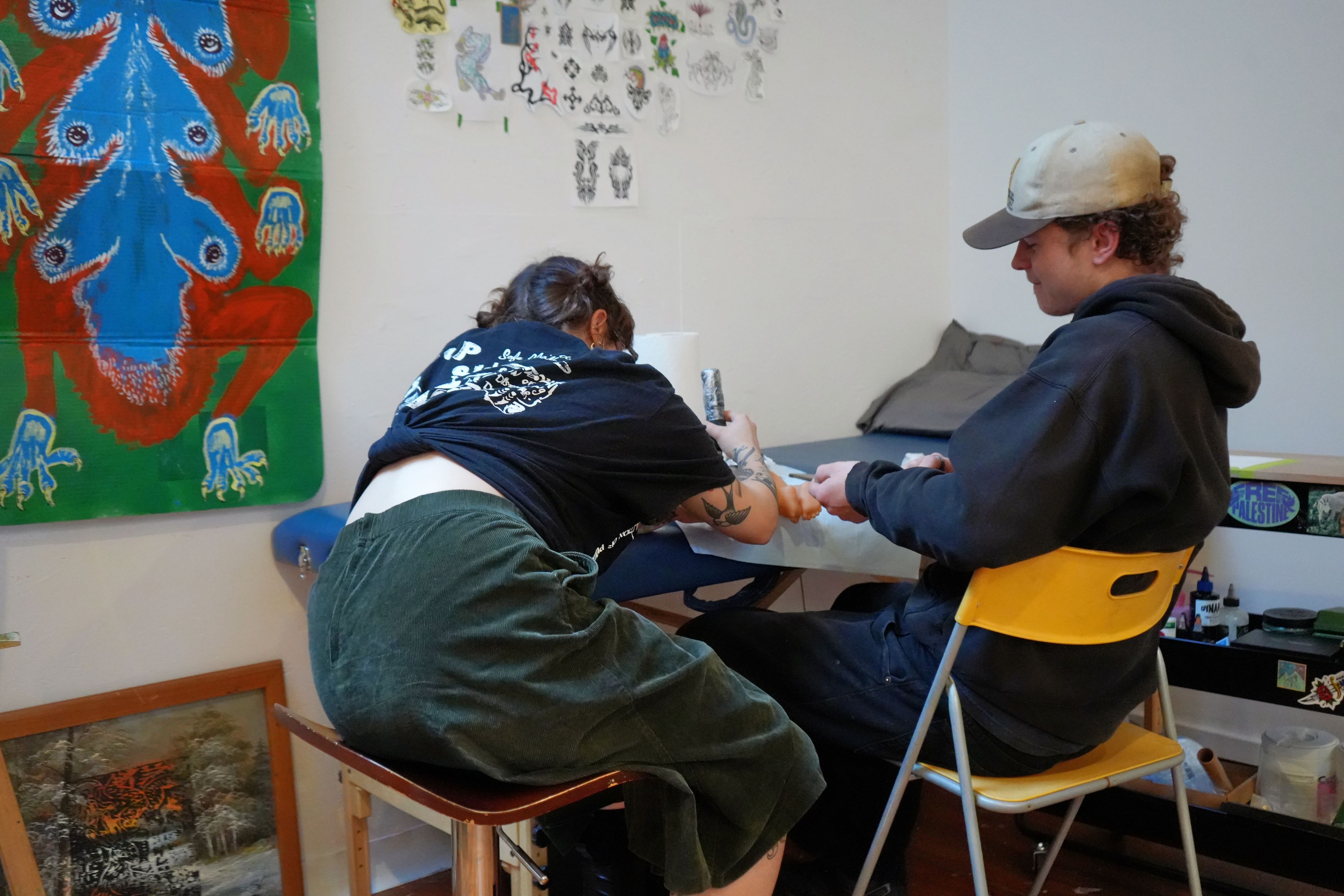
Artists who are self-taught also adapt traditional forms of payment to suit their individual needs. Trades, the bartering of goods and services in exchange for tattoos, are extremely common in the Vancouver tattoo scene.
For Rahma, the interactions and experiences she has with her clients are valuable in their own right.
"You’re building a community by chatting to all these people, and you’re learning," she says.
Self-taught artists emphasize the importance of identity in relation to the experience of tattooing.

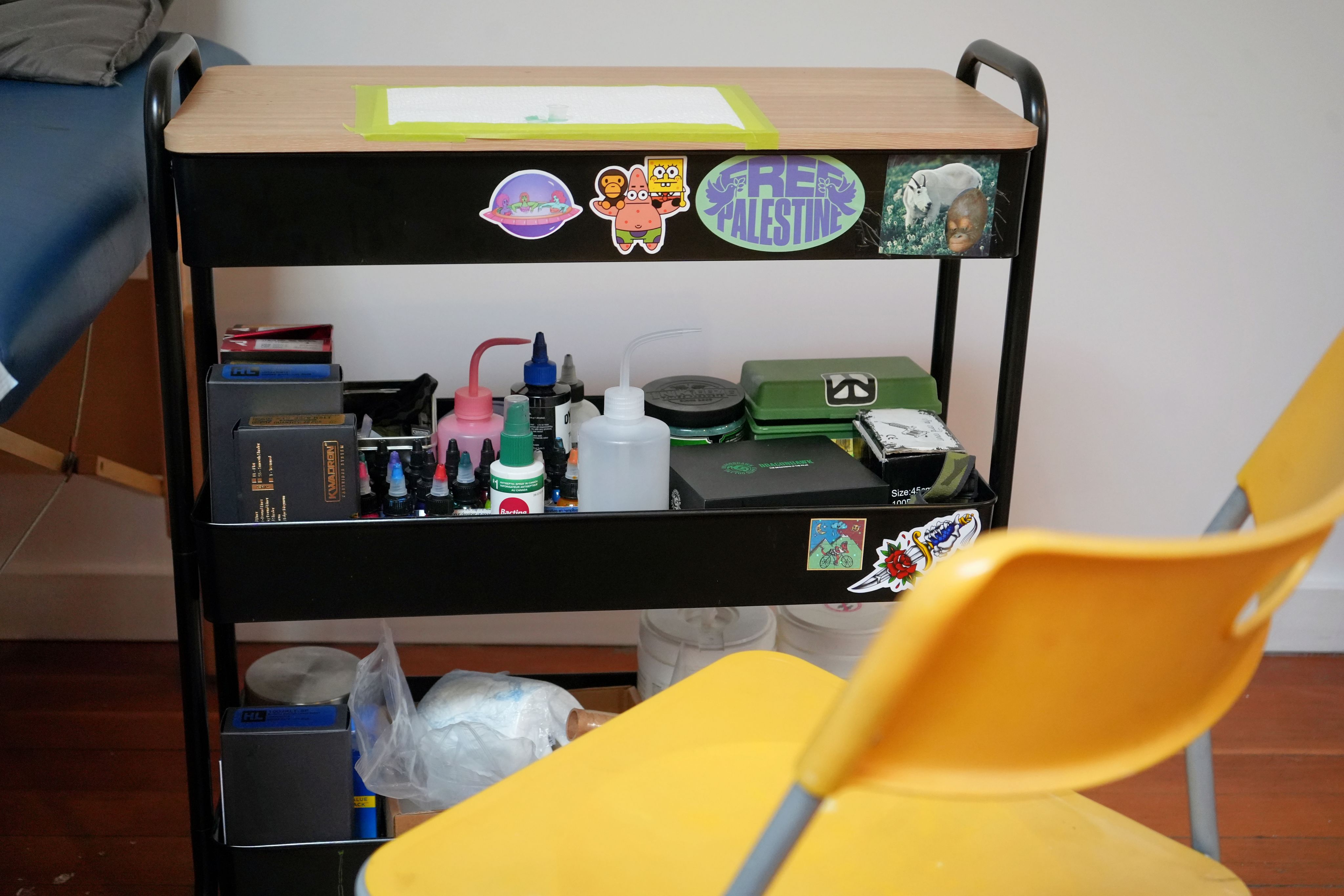
“I think my identity as a queer tattooer, it really drives my need and want to push myself as an artist. Back in 2018 as a trans guy I couldn’t walk into a tattoo shop with a bunch of these old biker guys and feel like I’d be safe getting a tattoo,” Cody says.
Cody's presence in the Vancouver scene not only creates an opportunity for other queer/racialized people to feel safe getting tattooed, he explains, but strengthens the link between the queer community and the tattoo scene, such that they can exist together. He says,
“I feel like a lot of my art is being recognized by other queer people and we can see each other.”
Cody's unique and personal art style transcends outward, inviting all individuals to enter tattoo spaces without feeling like they don't belong.
But Cody stresses that there's still room to grow when it comes to diversity in the tattooing community and within Downtown Vancouver. For this reason, Cody says he can't leave.
“I kind of feel like I need to stay here in a way. I’m one of the few, you know, queer BIPOC, trans tattooists. Hopefully more people will come and establish themselves here too.”
Like Cody, Rahma establishes her own place in the scene, on her own terms.
"This studio is my first time feeling more in control of the space that im tattooing in and having it be mine.”

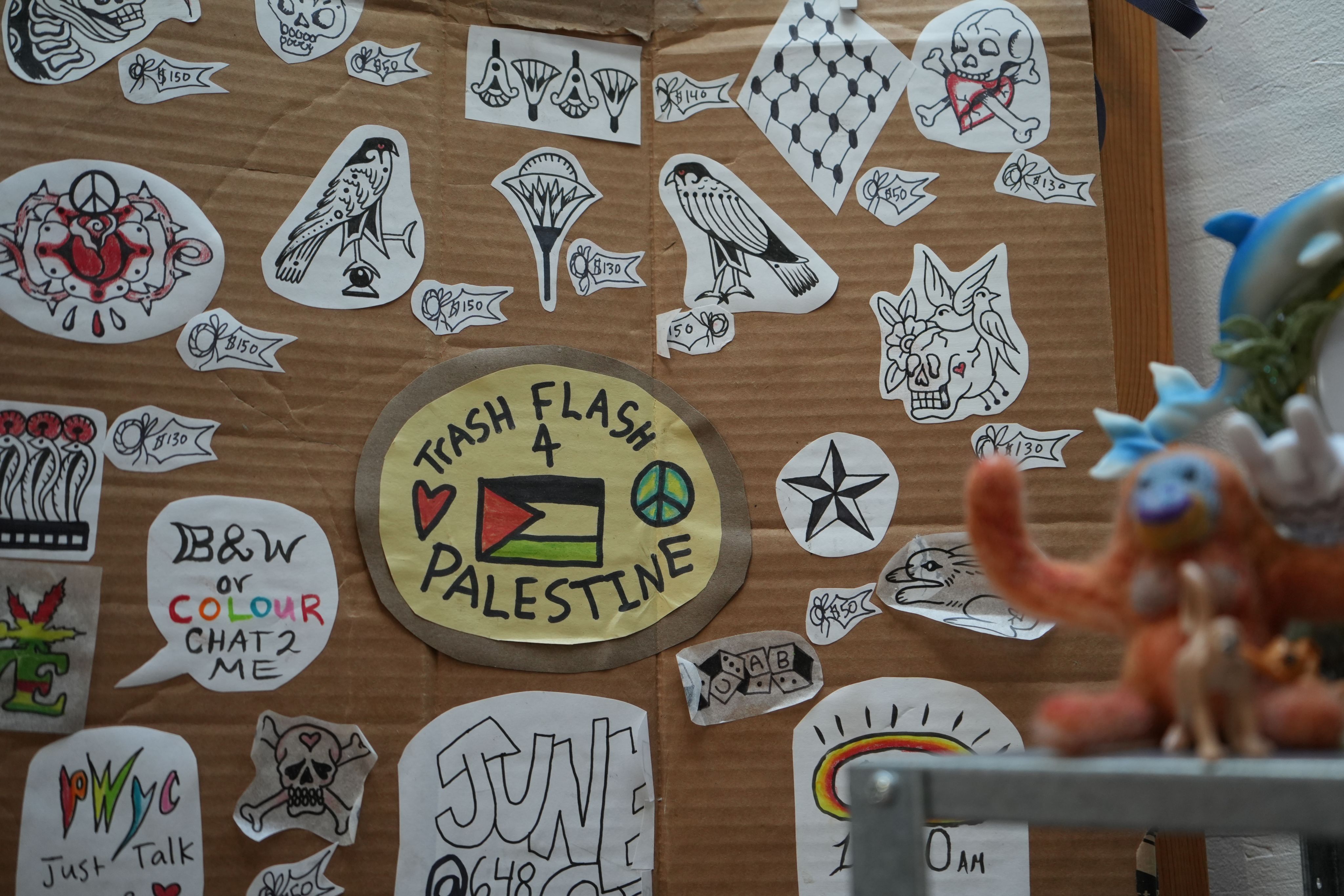

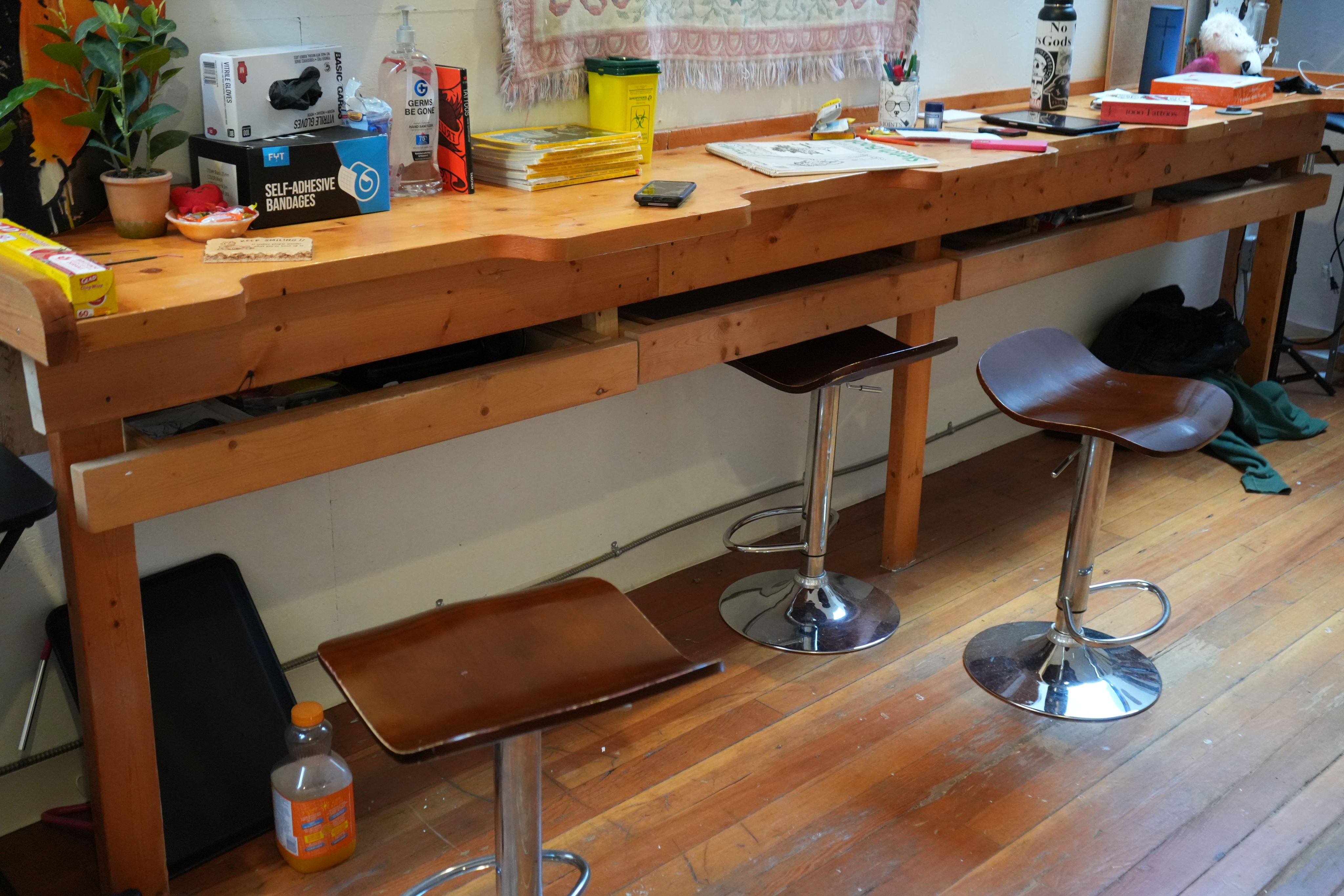

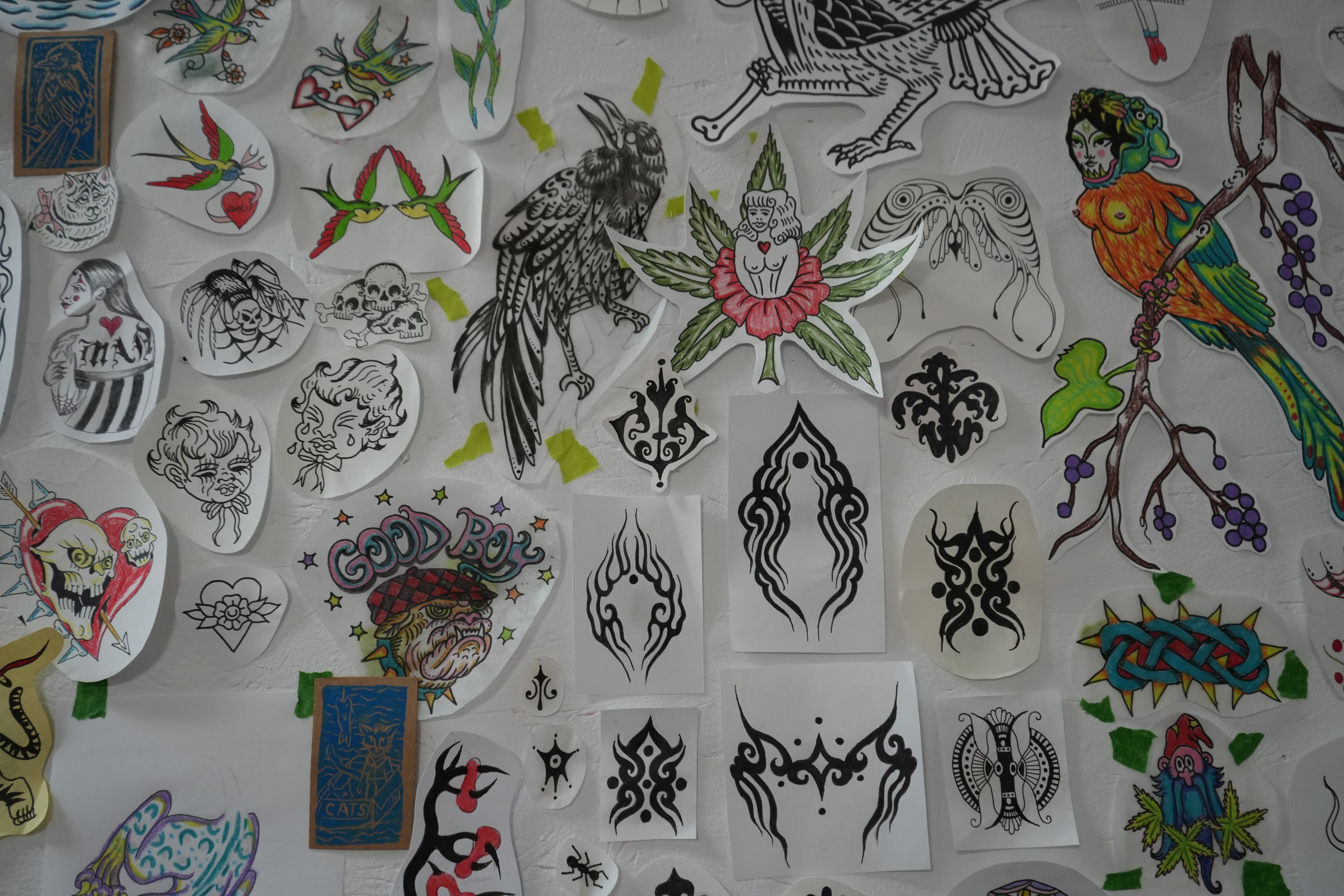
Through their break from traditional form, community-based approach to the career, and expression of the importance of representation and individual politics, self-taught artists like Rahma and Cody are forging a place for themselves and others. They prioritize comfort, inclusion, and artistry, creating a new way of giving and receiving tattoos.
You can find both Rahma and Cody on Instagram.
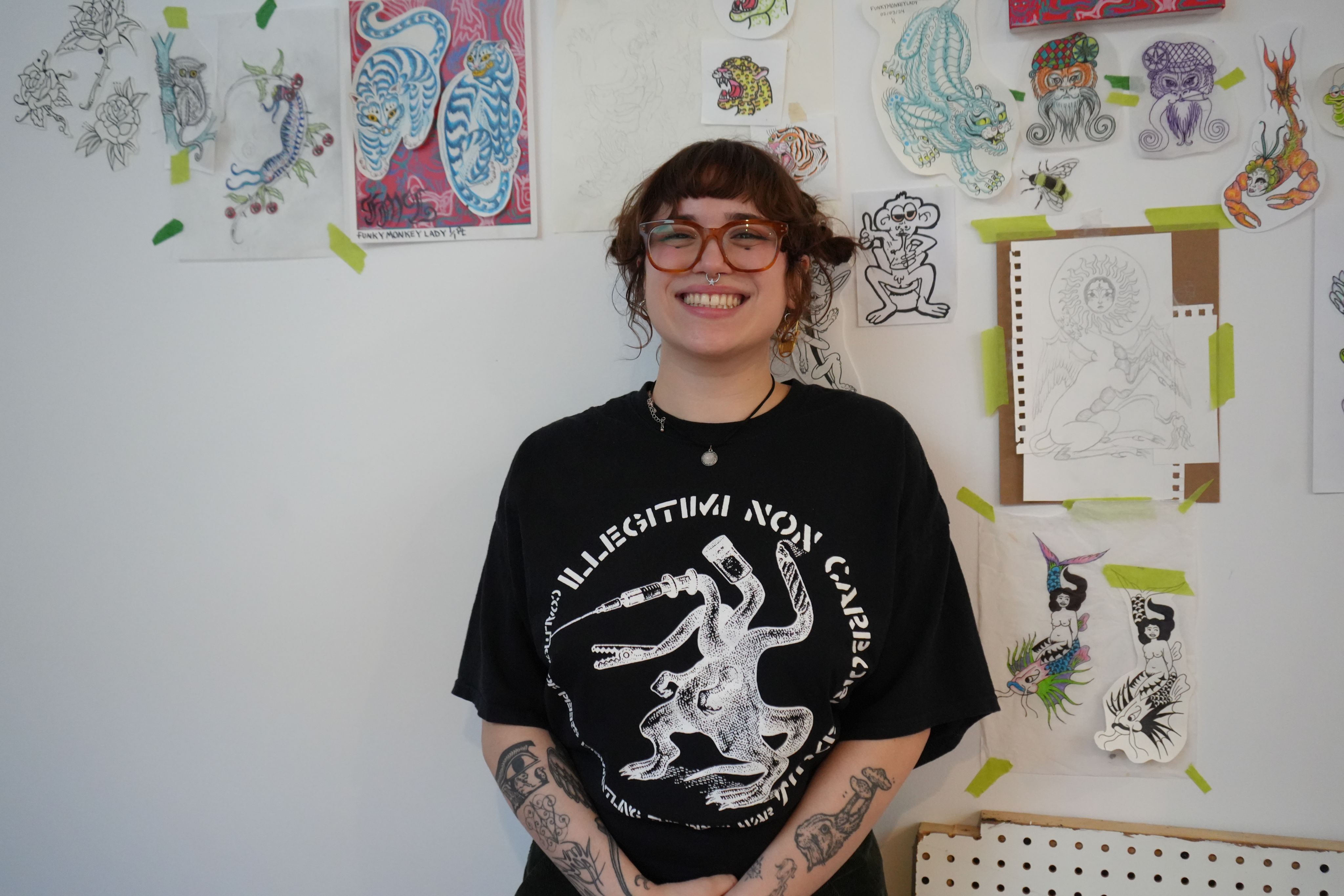
Rahma, @funkymonkeylady
 Built with Shorthand