
What Glass Can Hold
-- Memory, Craft, and Community in Vancouver
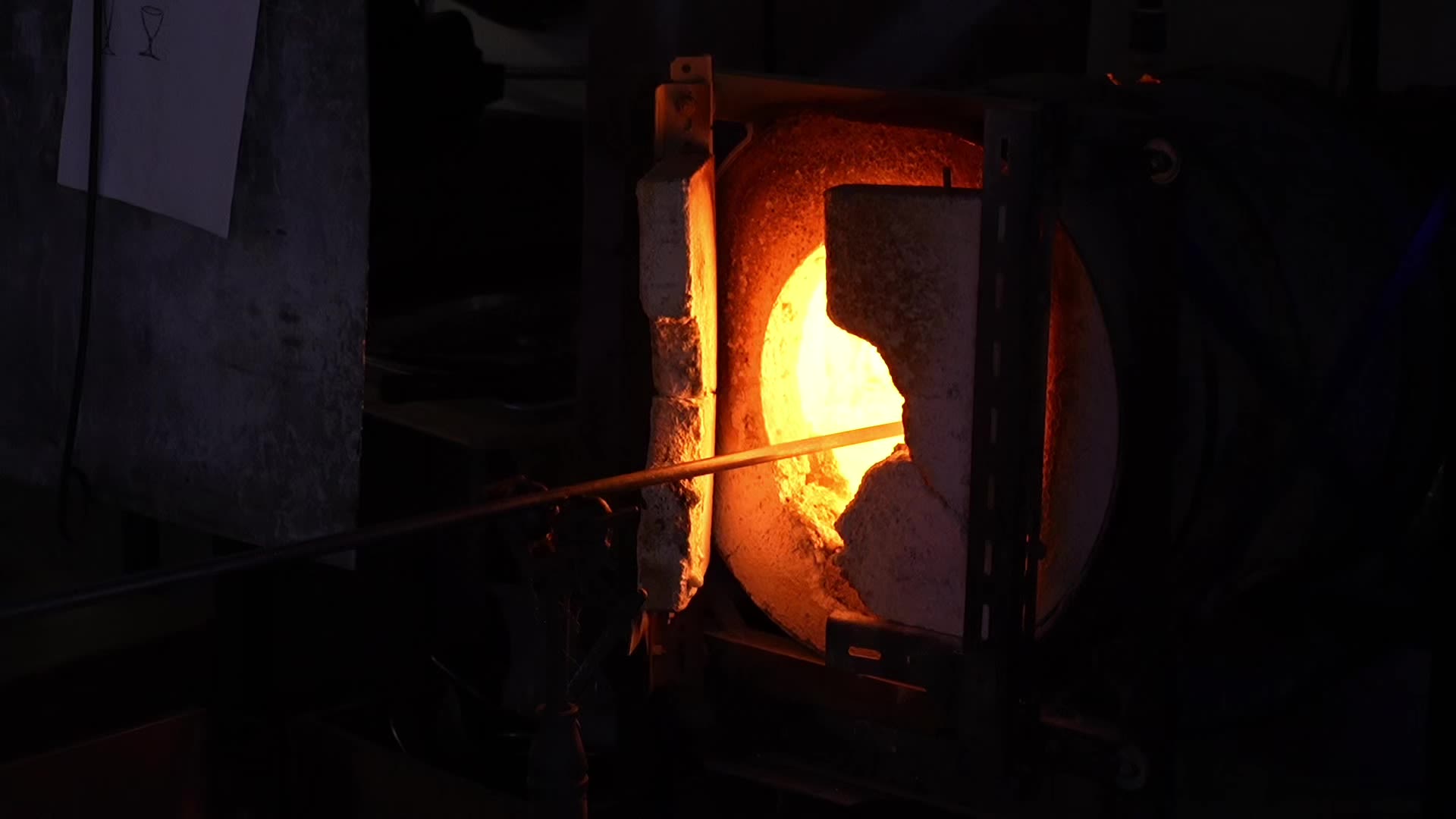

Glassblowing began in Syria in the 1st century BC and carries thousands of years of craftsmanship and dedication.
In Vancouver, this tradition lives on at Vancouver Glass Studio, one of the first arts studios on Granville Island, operating since 1984.
Although glass is familiar, people are often surprised by how fragile and fast-moving it truly is. It shifts from molten liquid to solid within minutes, making each creation both a challenge and a race against time. Beyond everyday objects like glasses and goblets, the studio’s owner, Benjamin, pushes the material further. His well-known marine series highlights how expressive and flexible glass can be.

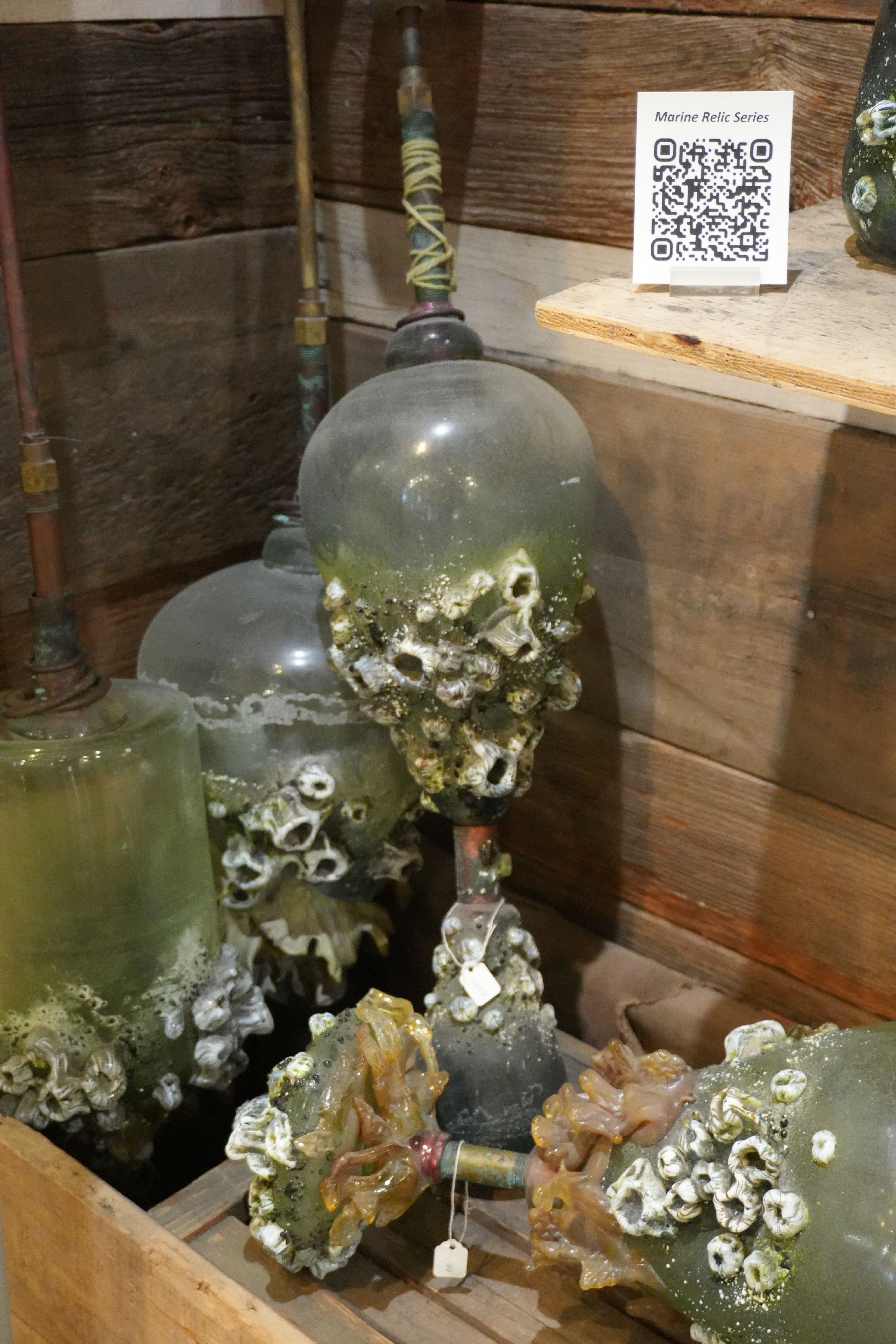
Marine Relic Series by Benjamin Kikkert
Marine Relic Series by Benjamin Kikkert

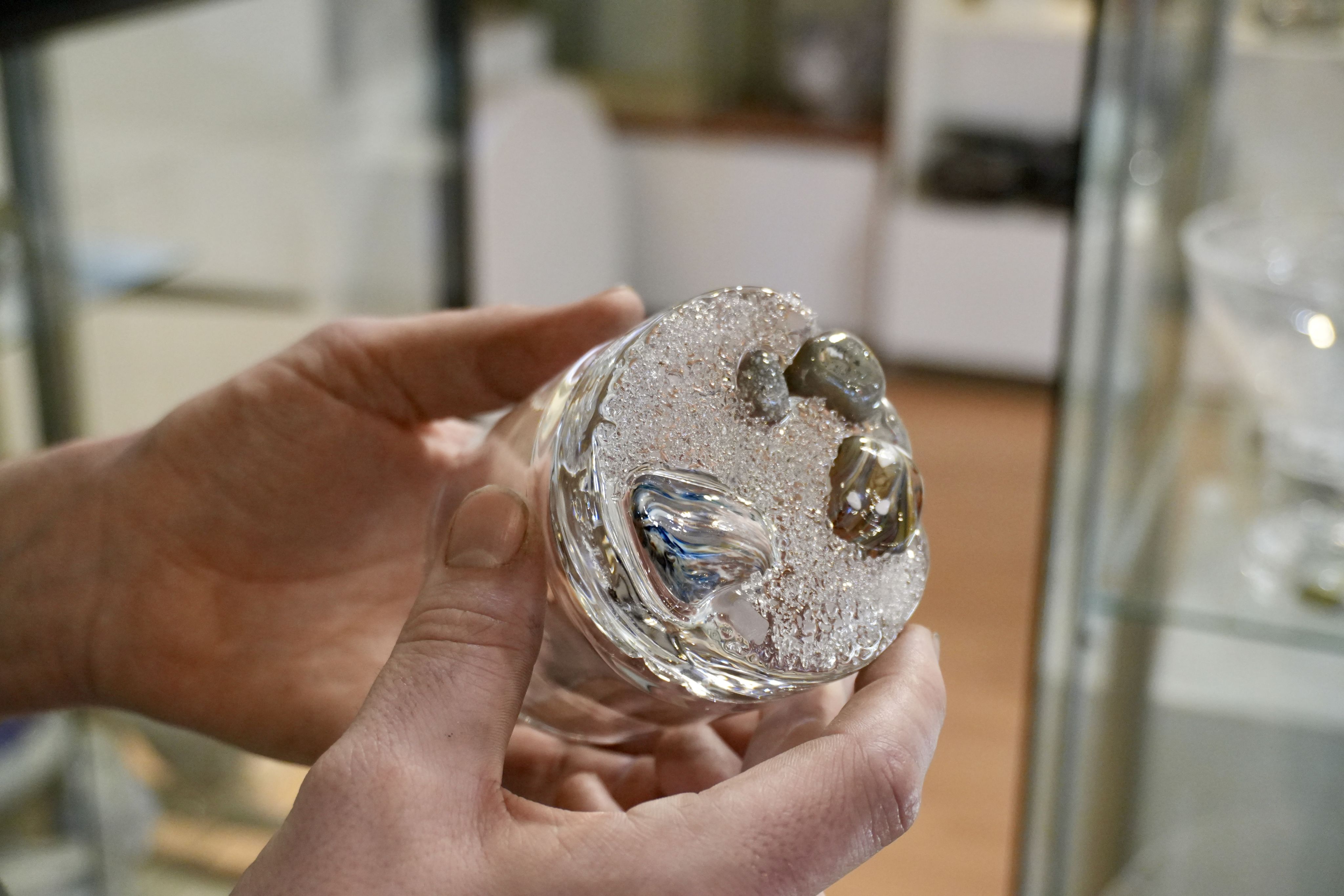
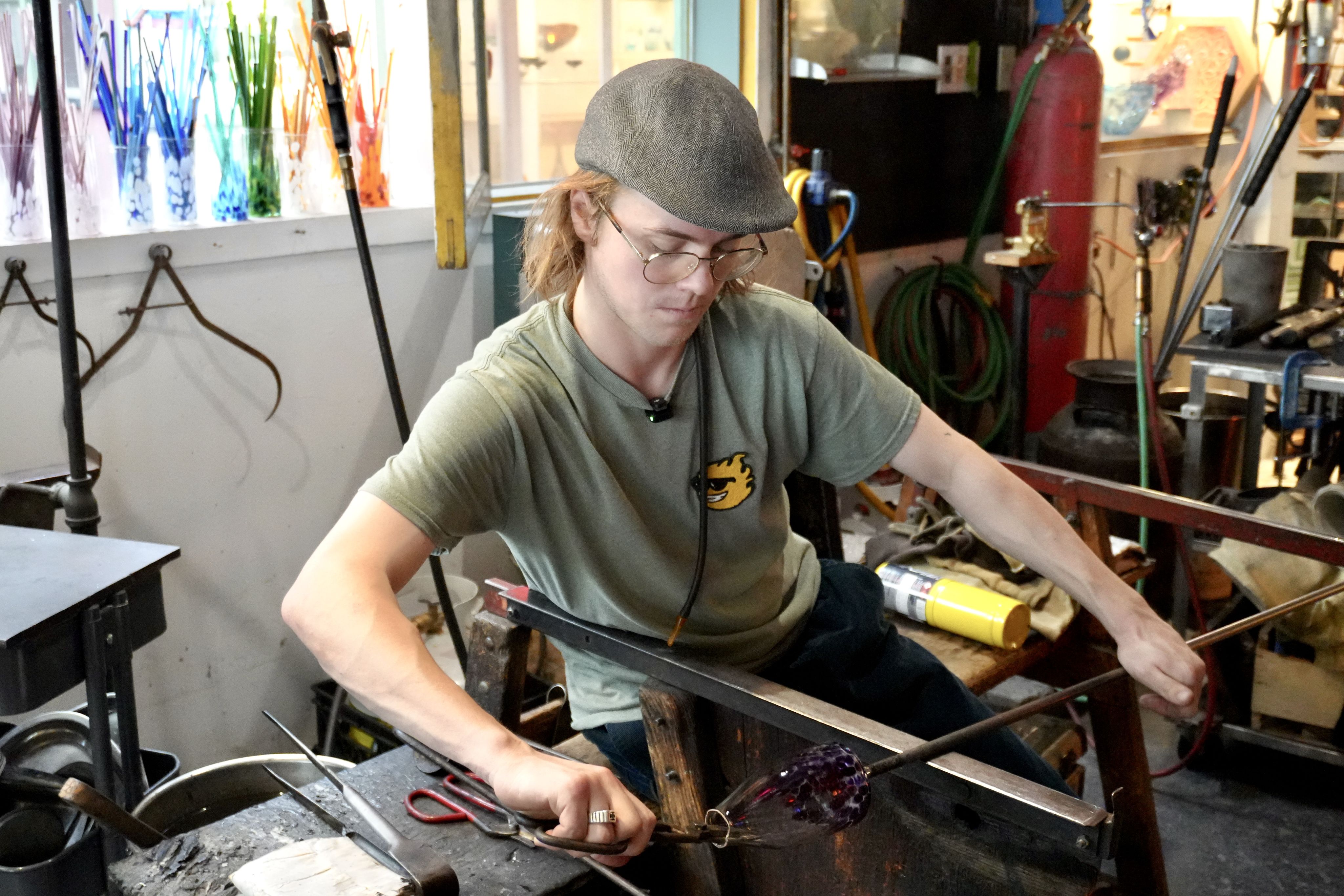
This sense of delicacy also shapes one of the studio’s most meaningful areas of work: memorial art. Many customers bring the ashes of loved ones and ask for them to be turned into wearable or displayable pieces meant to last for centuries. Memorial commissions now make up a large part of the studio’s practice. For the lead glassblower Eamon Elphinstone, this work carries deep meaning. “To keep someone’s memory in glass -- it’s very archival, and it lasts forever,” he said. That sense of permanence is also what he loves about the craft itself: glass is fragile yet enduring, delicate yet precious.
"The fragility of glass is what makes it precious—the possibility of breaking," as Eamon said.

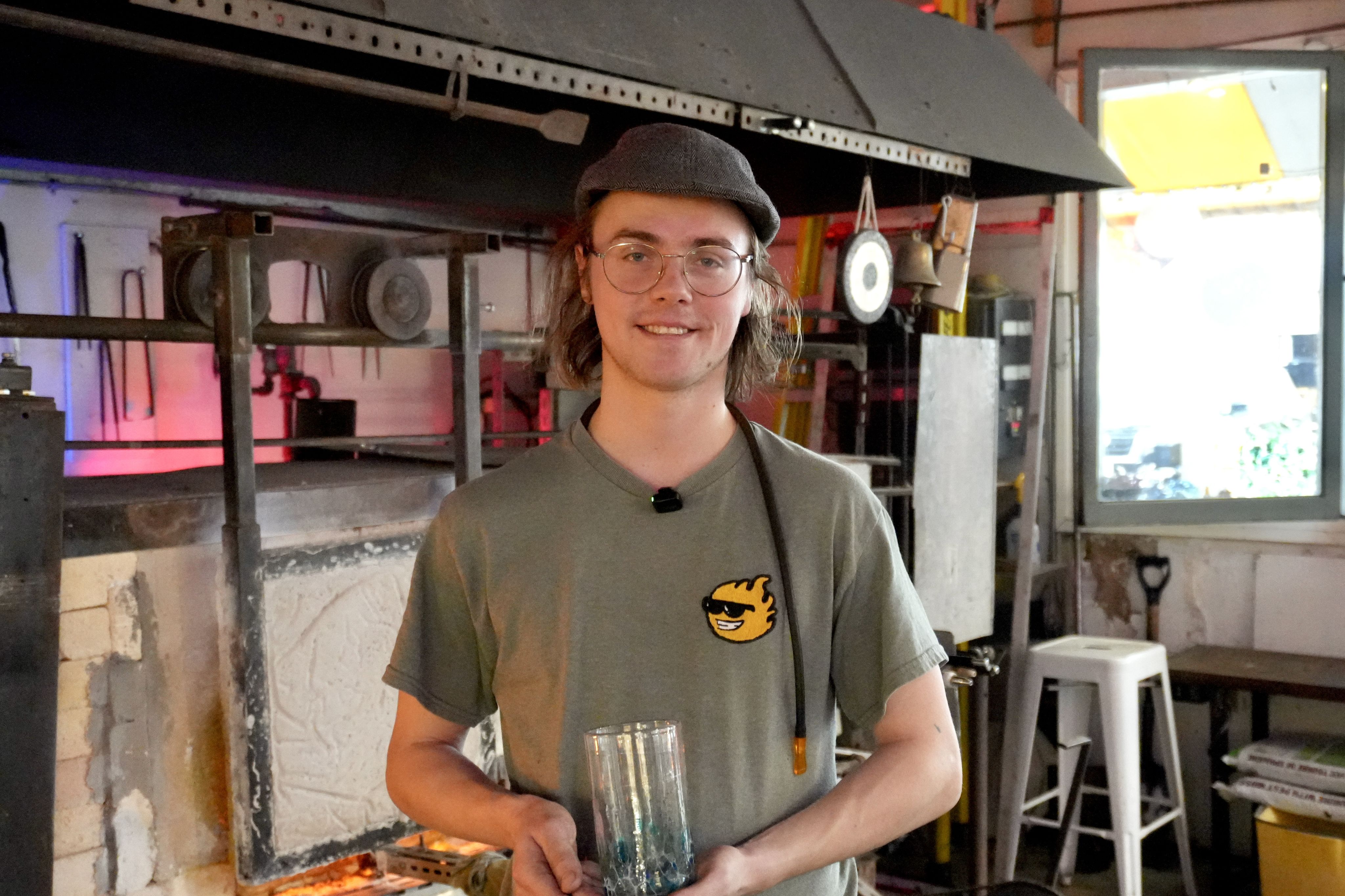
Eamon Elphinstone, lead glassblower
Eamon Elphinstone, lead glassblower
Behind these delicate pieces lies a demanding and costly process. Glassblowing is expensive partly because only a few places in the world manufacture the specialized tools, equipment, and colored glass required. Since none of these materials are produced in Canada, the studio imports most supplies from the United States and Europe. One of the highest expenses is electricity: the furnace must run 24/7, leading to extremely high monthly bills. And unlike many other art forms, glassblowing cannot be done at home. It requires a large workspace, heavy tools, proper ventilation, and dedicated equipment.

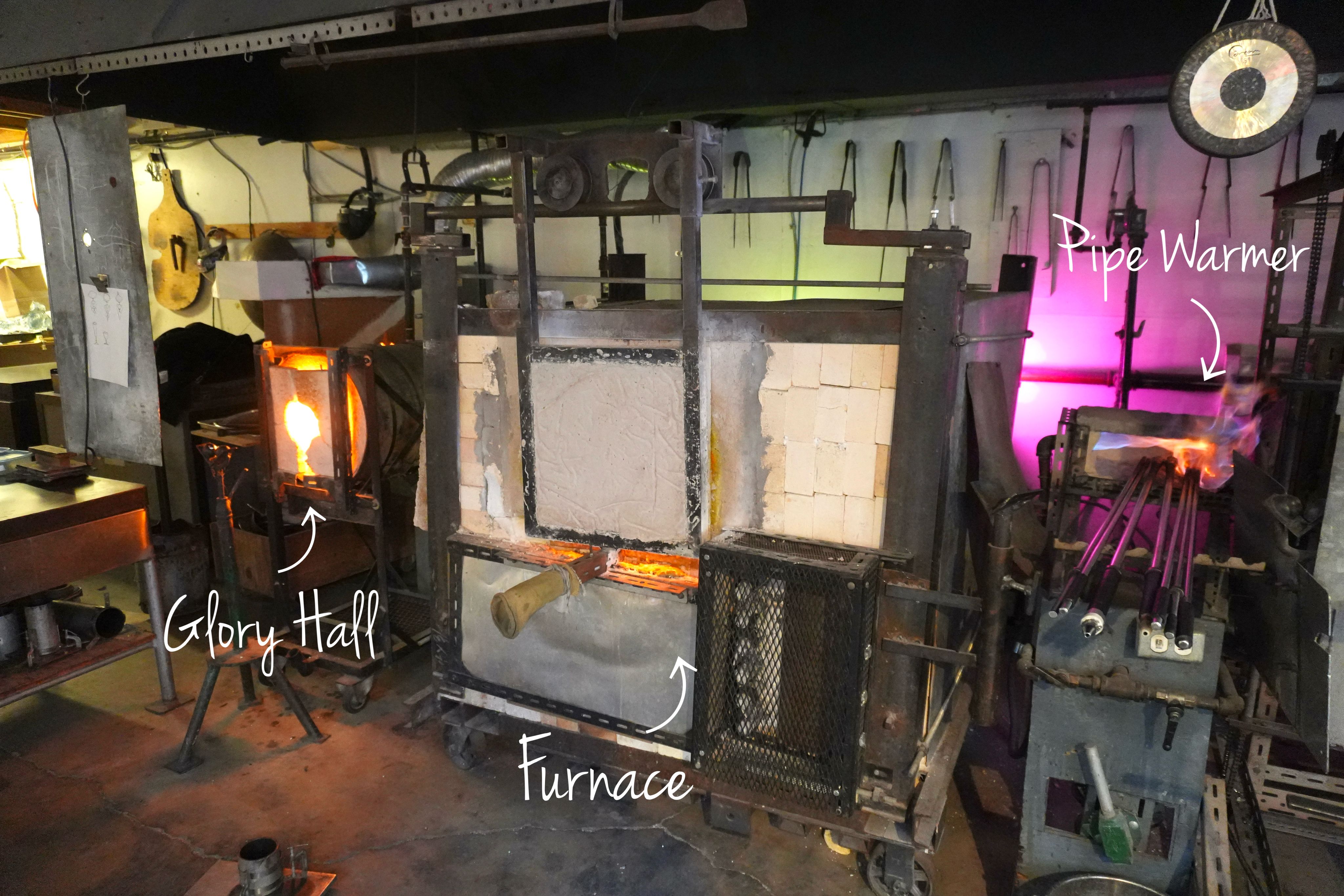

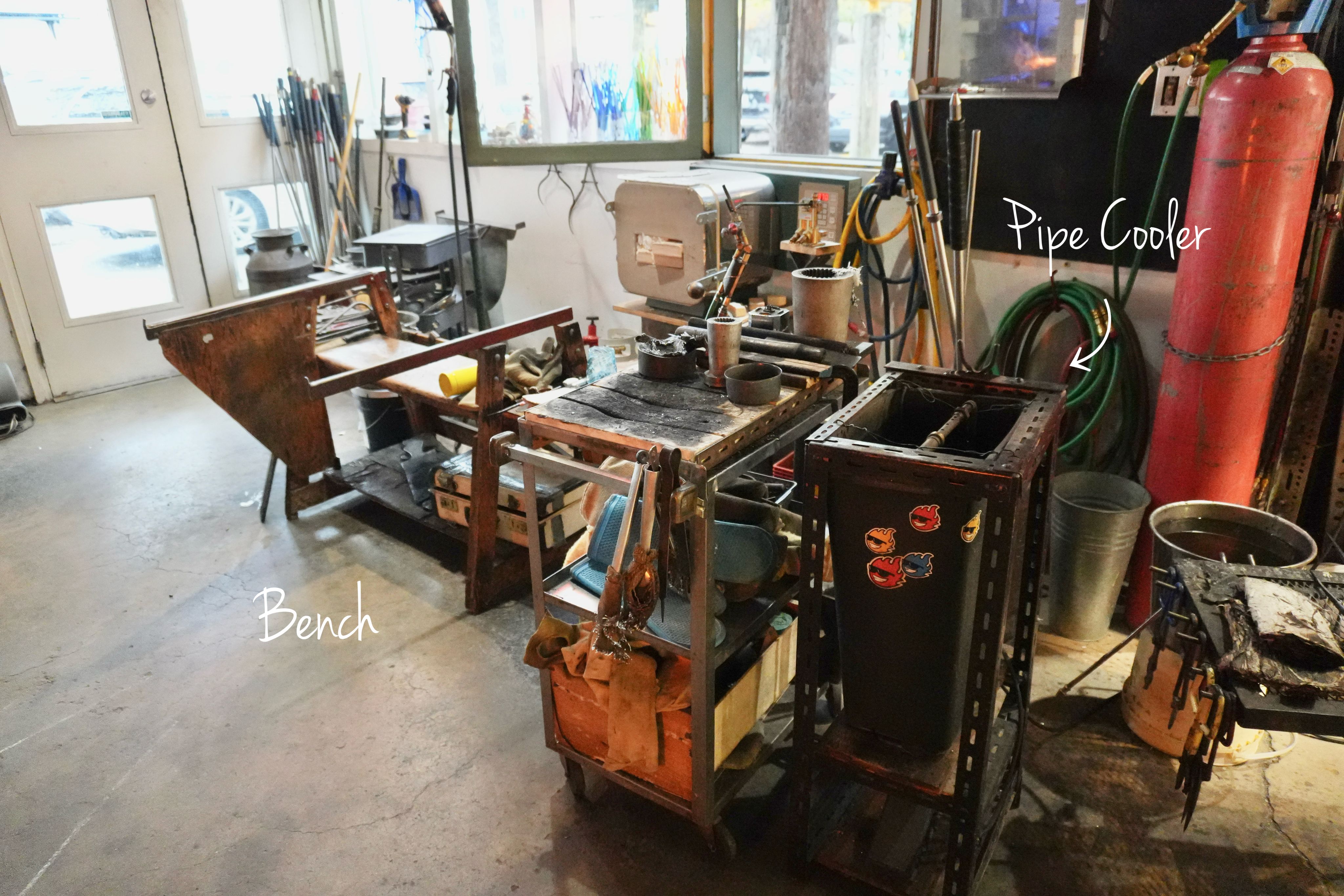

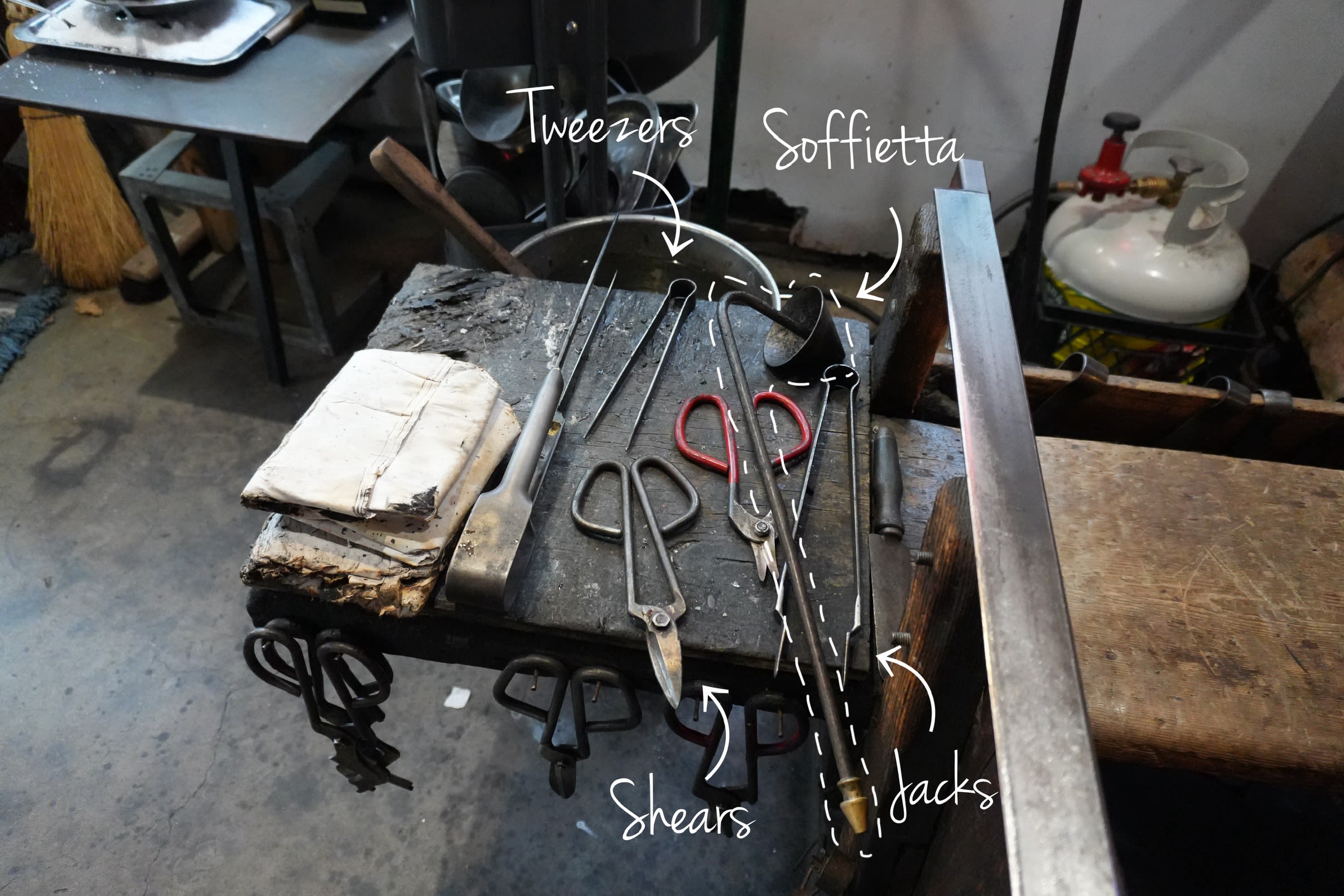
Because of these challenges, shared spaces and community networks have become essential. Eamon noted that Vancouver remains supportive of the craft. Places like the Terminal City Glass Co-op in East Vancouver offer resources for artists, the city also hosts events such as the annual Culture Crawl, which invites the public into private studios. Vancouver Glass Studio itself is designed with clear walls facing the pedestrian walkway, making the glassblowing process visible to anyone passing by.
The sense of community extends beyond the studio’s walls. Alongside Benjamin’s work, pieces by other Canadian artists, such as those by Minori Takagi, who is one of the studio’s best sellers, are prominently displayed, reflecting the collaborative spirit of the local glass scene.

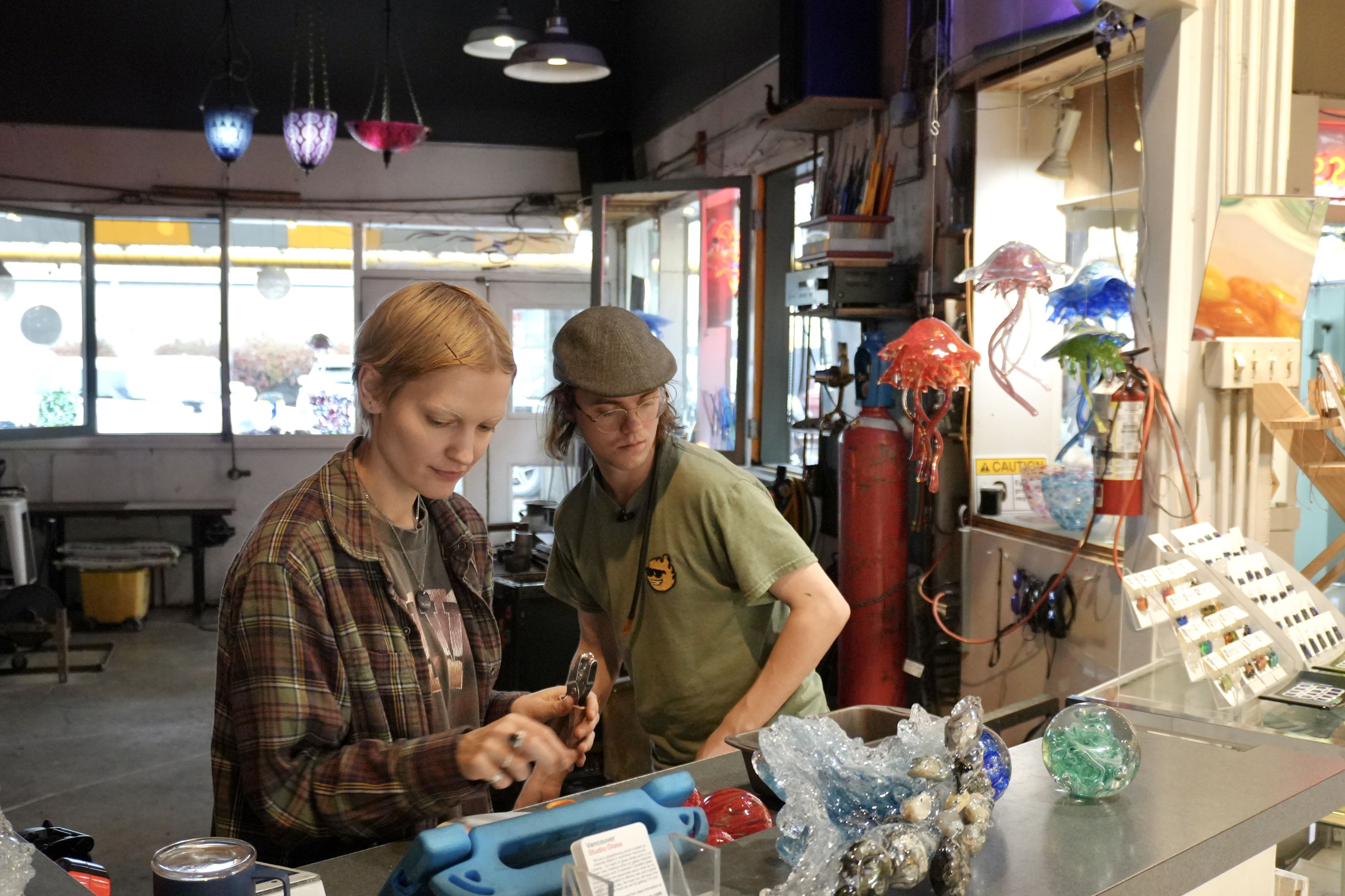

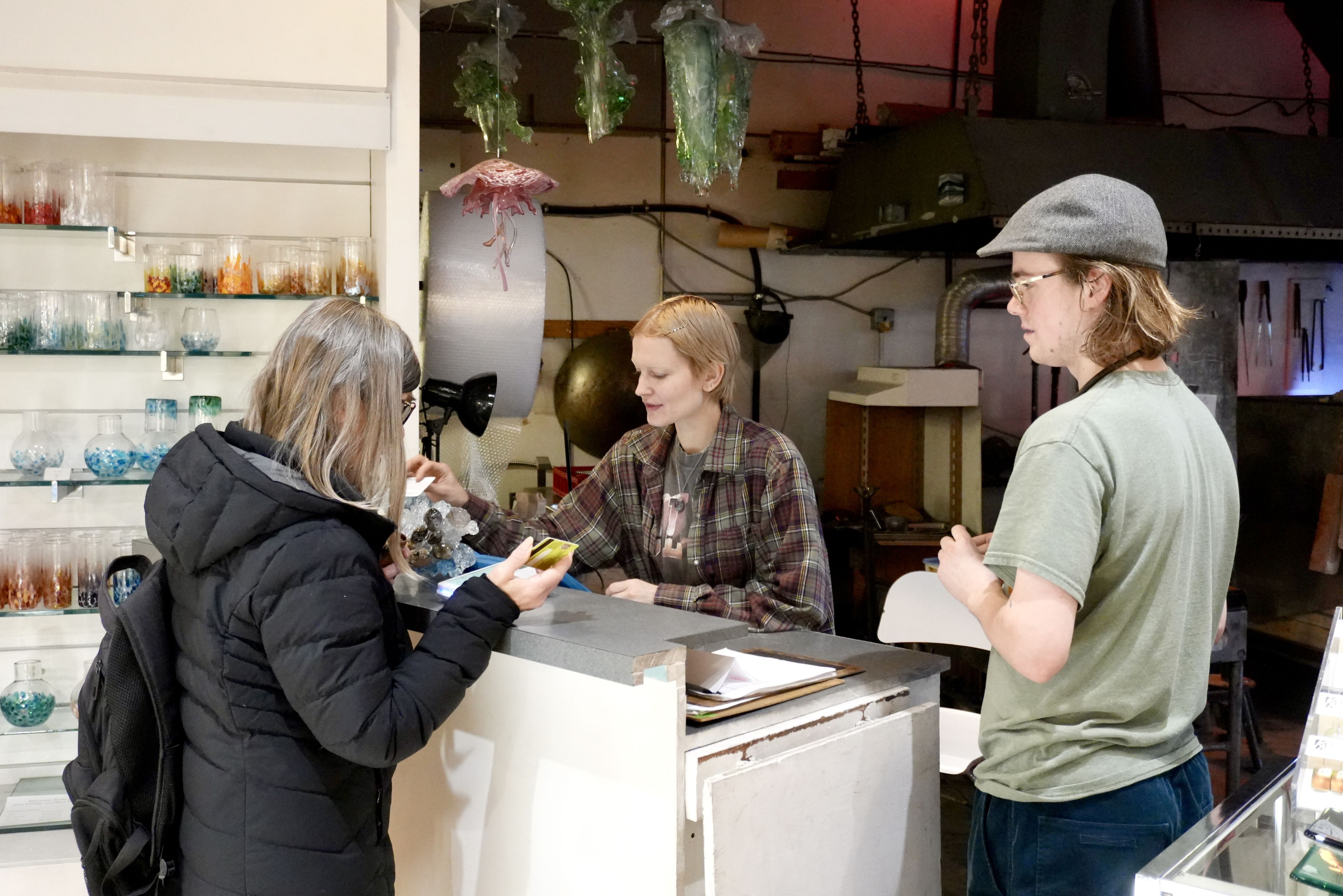

Anya and Eamon doing administration work and preparing for studio opening.
Anya and Eamon doing administration work and preparing for studio opening.

The pandemic further reshaped the studio. After COVID-19, Benjamin reorganized the workplace so that every employee would learn as an apprentice. Responsibilities such as administration, customer service, and studio work are now shared, giving each artist more time to grow their skills. Before the pandemic, roles were more separated. As glassblower Anya Semenova explained, “Benjamin loves to teach. He likes working with artists who have skills in other areas even if they have no glassblowing experience.” Anya, who studied ceramics and sculpture at Emily Carr University, has trained at the studio for three years. Eamon, the longest-serving glassblower, has been there nearly seven years, also beginning with no formal glassblowing background.
Workshops have also grown in popularity. The hot shop transforms into a classroom where couples, friends, and families create glass pieces together. After long periods of isolation, many people sought shared experiences, and the studio became a place to reconnect through making.
Now, as Granville Island undergoes redevelopment and works to attract more visitors, Vancouver Glass Studio continues to adapt. It showcases Canadian artists, sells hand-crafted pieces, receives commission orders, and offers workshops – all while staying committed to the craft it has practiced for more than 40 years.

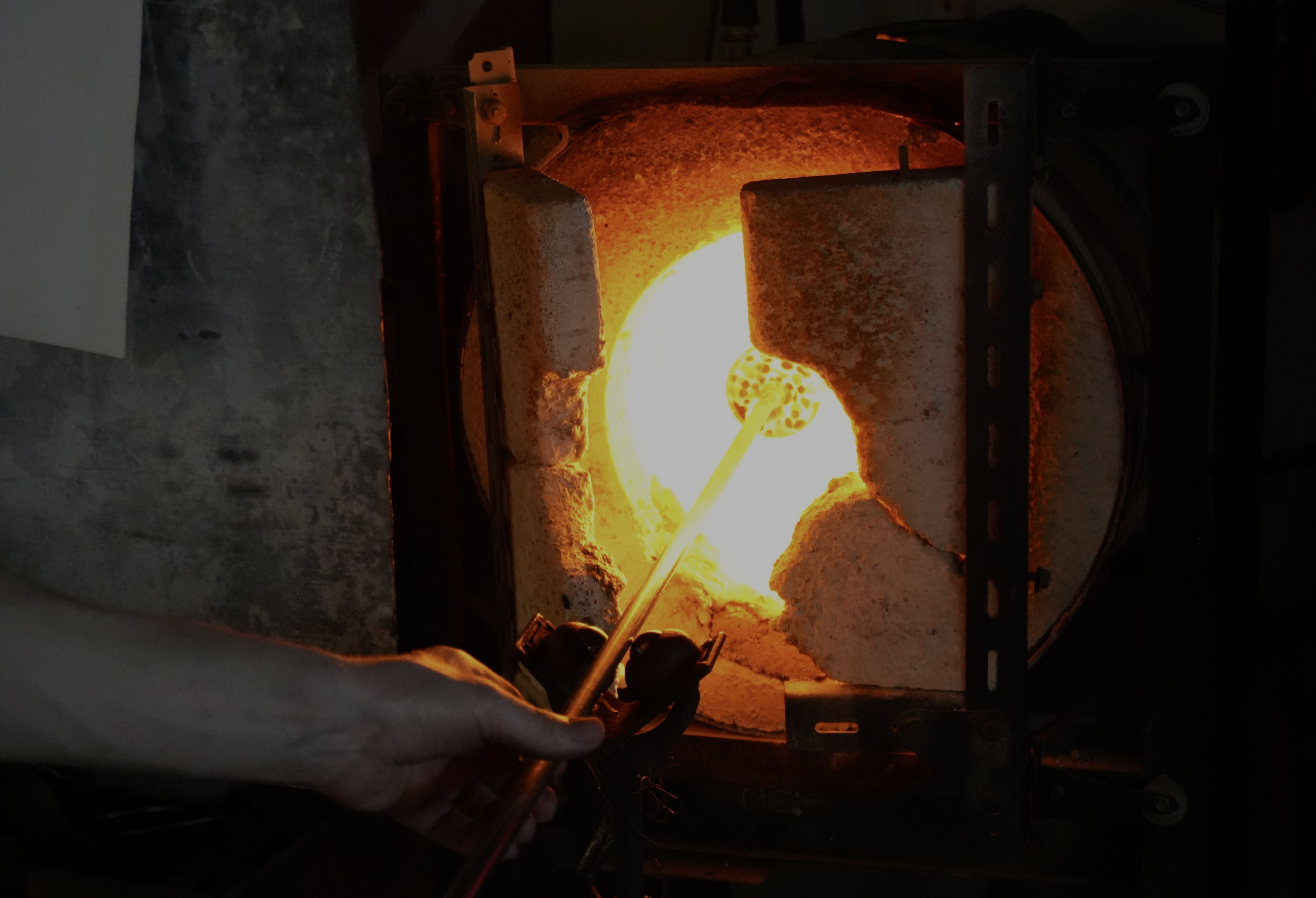
In the heart of the roaring fire, molten glass turns solid in seconds. In that brief moment, glassblowers shape something fragile yet lasting.
A reminder that even the most breakable materials can hold memory and meaning far into the future.
 Built with Shorthand